Why EVs Cost More to Insure
EVs cost more to insure mainly because the battery is expensive to replace and the car is pricier to repair after even a small crash.

A fender bender that became a bigger bill
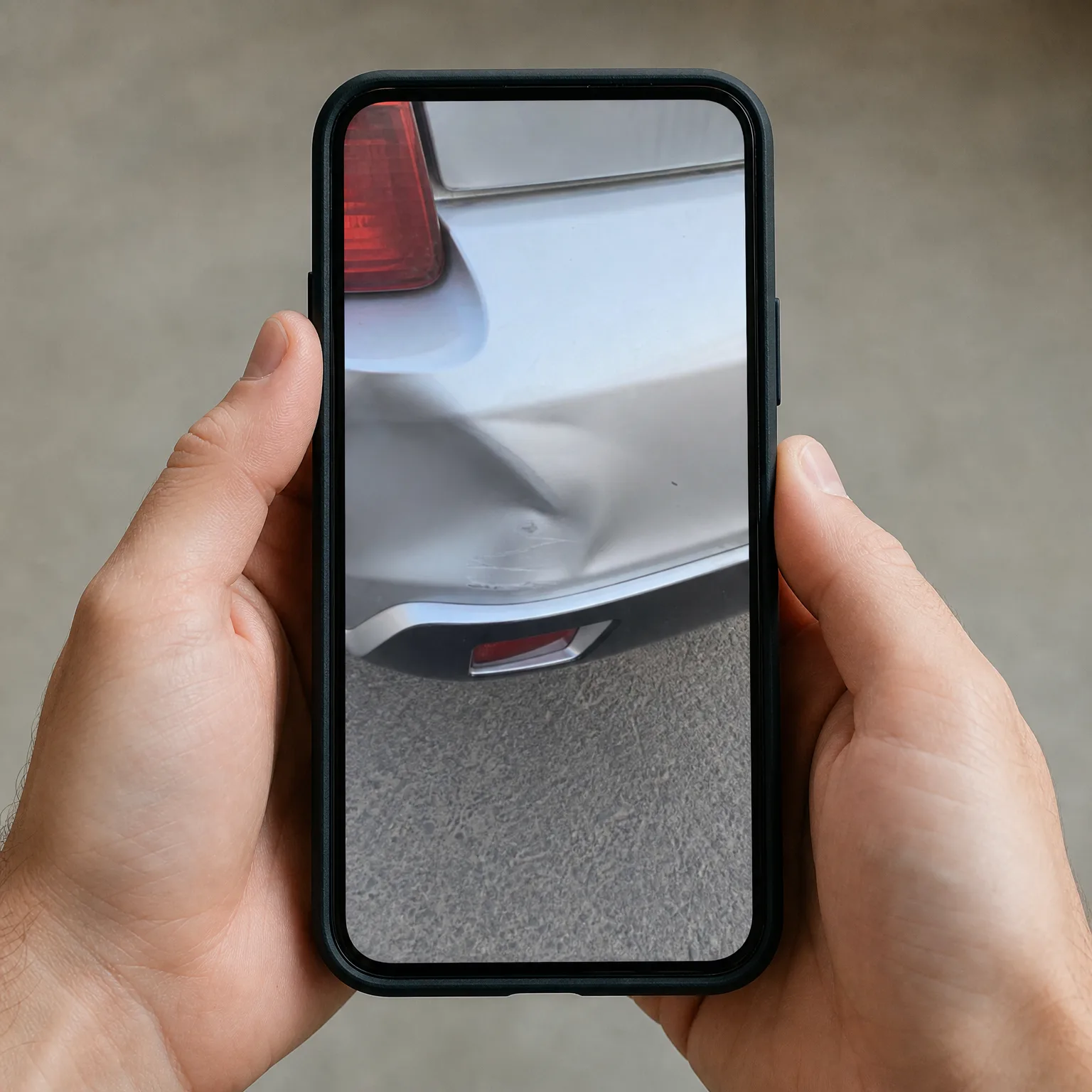
A driver who had just switched from a gas sedan to a plug-in hybrid got rear-ended at low speed in a parking lot. The bumper was dented and the trunk didn't close right, the kind of damage that would have cost a modest amount to fix on their old car. The shop found that the impact had pushed into the area near the battery pack, so the car had to go to a specialized facility for inspection before anyone could even quote the repair.
The inspection alone took longer than the driver expected, and the repair estimate came back much higher than the old car's would have been, mostly because of battery-related labor and parts. Because the driver had chosen a policy with a rental car benefit, they weren't stuck paying out of pocket for a replacement vehicle during the wait. The claim still cost the insurer more than a comparable gas-car claim would have, which is exactly the kind of risk insurers are pricing in when they set EV premiums higher from the start.
Will EV insurance costs come down over time?
In some ways, yes. As more EVs are on the road, repair shops gain experience, parts become easier to source, and insurers get more claims data to price risk more precisely instead of guessing. That alone tends to ease costs over time.
But a few things work against that. Battery technology keeps changing, so insurers are often pricing newer packs with less history behind them. And if manufacturers keep designing cars where minor damage reaches the battery, repair costs stay high regardless of how common the car becomes. Expect gradual improvement, not a sudden drop, and expect it to vary by model depending on how repairable that specific car turns out to be.
The price difference isn't about the car being electric, it's about what a crash actually costs to fix.
Now that you know what drives the cost, compare quotes to find coverage that fits your EV without overpaying.
What actually drives the higher premium
- Battery replacement cost The battery is the single most expensive part of the car, and damaging it can total an otherwise fixable vehicle. Ask insurers how they value battery damage and whether coverage includes the full pack.
- Specialized repair network Not every body shop is certified to work on EVs, so repairs often require specific facilities with trained technicians. Ask how claims are routed and whether a shortage of certified shops in your area could mean longer wait times.
- Parts availability and cost EV parts, especially battery components and electronics, can be harder to source and pricier than standard parts. Ask whether your insurer uses original manufacturer parts or aftermarket alternatives for EV repairs.
- Higher vehicle value EVs often cost more upfront than comparable gas cars, and insurance is partly priced on what it would cost to replace the car. Check your car's actual value against your coverage limits so you're not over or under-insured.
- Limited claims history Insurers have less data on EV claims than decades of gas-car data, so some price in extra caution. Ask whether your insurer has EV-specific experience, since that can affect how accurately your quote reflects real risk.
It comes down to what a crash costs to put right
Insurance pricing is really just a forecast of how much a claim is likely to cost. For a gas car, insurers have decades of data on repair costs, parts prices and how often claims turn into total losses. For an EV, the math changes because the single most expensive component sits low in the frame, right where many collisions happen.
When a battery pack is damaged, even in ways that look minor from the outside, it often can't simply be patched. Safety protocols frequently call for replacing the whole pack or sending the car to a specialist for testing, and that inspection and labor adds cost before any parts are even ordered. This is why what looks like a small accident on a gas car can become a near-total loss on an EV.
Repair infrastructure plays a role too. In areas where certified EV repair shops are scarce, claims take longer and sometimes get routed to shops farther away, which adds towing and rental costs. Where the network is well established, this gap narrows. This is one of the clearest places where your actual cost can differ from a national average, so it's worth asking any insurer how they handle repairs in your specific area.
None of this means EVs are inherently riskier to drive. In some ways they're safer, with lower centers of gravity and strong crash ratings. The higher premium reflects the cost of fixing the car, not the likelihood of you causing a crash. That distinction matters because it tells you where you actually have room to manage the cost, through coverage choices and shop research, rather than through anything about your driving.
Does a home charger affect my insurance at all?
Not through your auto policy directly, but it matters for your home insurance. A charger installed at your house may need to be added to your homeowners or renters policy to be covered against damage or fire, and some insurers ask about it when underwriting auto coverage. Check with whoever insures your home, and mention the charger when you get auto quotes so nothing falls through the gap between the two policies.
Is gap insurance worth it for an EV?
Often yes, because EVs can lose value quickly while the loan or lease balance stays high, and a battery-related total loss can happen even after a modest crash. Gap coverage pays the difference between what you owe and what the car is worth at the time of loss. Check your loan balance against the car's likely value each year, and ask your insurer whether gap coverage is bundled or sold separately.
Will my rate drop once the EV is a few years old?
It depends on the model's repair history and how the battery is expected to hold up, not just the car's age. Some EVs see rates ease as parts become more available and claims data builds up, while others stay high if the battery remains costly to replace. Ask your insurer what specifically changes their pricing on your model over time, and re-shop every year or two to see if better terms have appeared.