EV Repairs and Body Shops
EV repairs take longer and cost more because fewer shops are trained to do them, so where you take the car matters.
What decides how your EV gets repaired
- Shop certification Not every body shop is trained or equipped to work on your specific EV. Ask your insurer which certified shops are in their network before you need one.
- Battery damage rules Even minor-looking damage near the battery can trigger a full inspection or replacement. Expect the shop to involve the manufacturer or a specialist before any repair begins.
- Parts and wait times EV parts, especially battery components, often have longer wait times than gas car parts. Ask your insurer about rental car coverage that accounts for longer repair windows.
- Total loss thresholds A damaged battery can push repair costs past the car's value faster than you'd expect. Understand how your insurer calculates total loss before a claim happens, not during one.
- Labor costs EV repair labor often costs more because it requires specialized training and safety procedures. Factor this into why your premium may be higher than your old gas car's.
The short version
EVs cost more to insure partly because repairs are specialized, slower and more expensive, especially anything near the battery. The fix isn't to avoid EVs, it's to confirm your insurer has certified shops in your area before you need one. Ask about that now, then compare quotes.
A fender bender that turned into a battery inspection
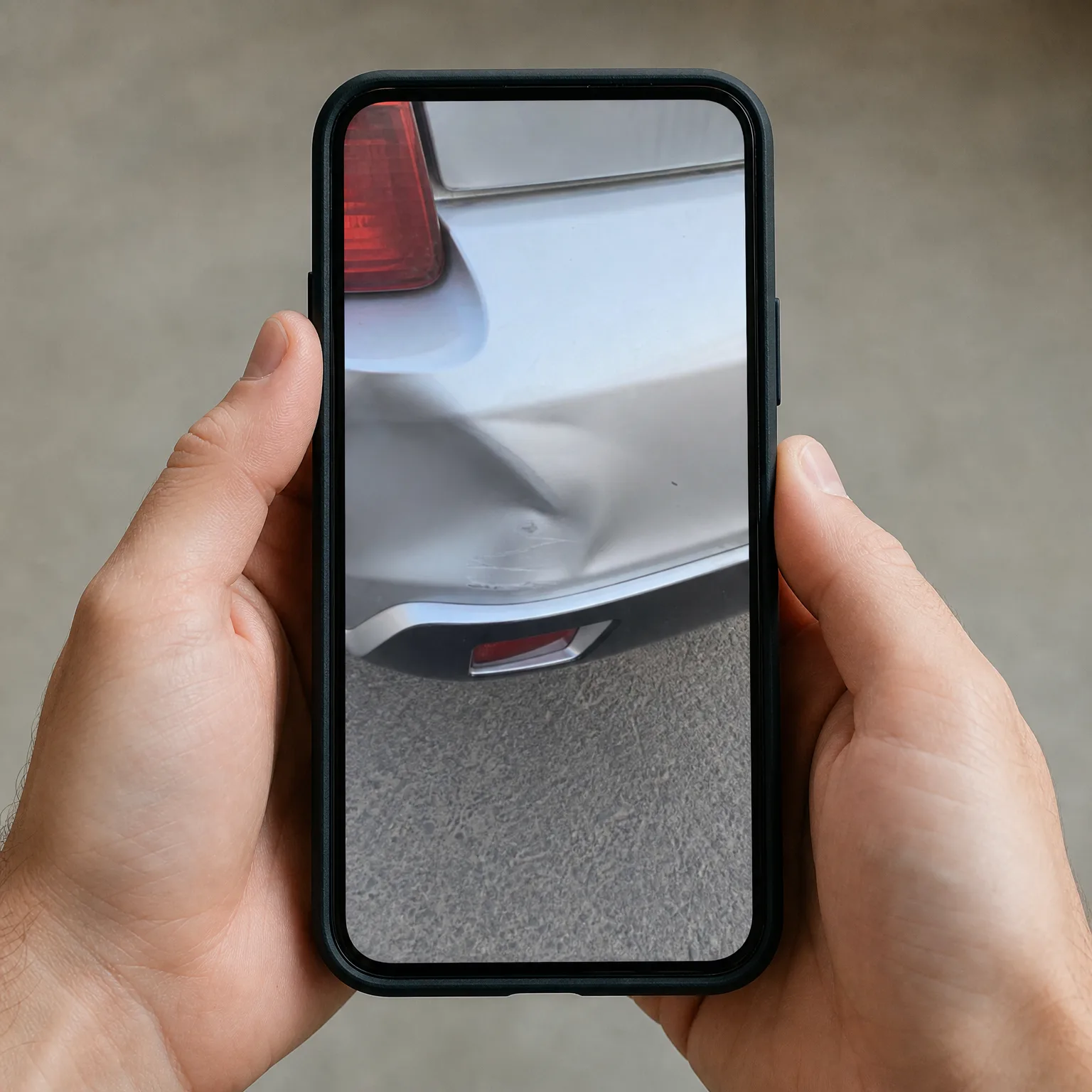
You're rear-ended at low speed, the kind of hit that would've meant a new bumper on your old gas car. The body shop you've used for years looks at it and tells you they're not certified to work on your EV's battery housing, even though the visible damage looks minor. They refer you to a specialist shop two hours away, the only certified option in your region.
Your insurer covers the rental car, but the wait for a diagnostic slot runs longer than you expected because the specialist shop is busy. The battery turns out to be undamaged, but the inspection alone takes real time and the shop has to document everything for the insurer before releasing the car. You get it back, but weeks later than a comparable gas car repair would have taken. The lesson you walk away with isn't about the crash, it's about checking who's certified before you're in this position.
Now that you know what certified repairs involve, compare quotes that include EV repair coverage and rental protection.
What if there's no certified EV shop near me?
This varies a lot by where you live and which EV you drive. In some regions, certified shops are common. In others, you may need to drive a significant distance or wait for a mobile technician or a manufacturer-approved partner shop to become available.
Ask your insurer directly how they handle this before you buy a policy. Some cover towing to a distant certified shop as part of the policy. Some offer extended rental coverage specifically because they know local repair options are limited. If your insurer can't answer clearly, that's useful information too, because it tells you how prepared they are for a claim on your specific car.
Why EV repairs work differently than gas car repairs
Gas cars have decades of standardized parts, training and shop infrastructure behind them. Almost any body shop can replace a bumper or a fender because the underlying systems haven't changed much in years. EVs are newer, more varied in design, and the battery pack is both the most expensive part of the car and the most safety sensitive. A shop that isn't trained to work around it can't just proceed carefully, they're not allowed to touch it at all.
This is why certification matters so much. Manufacturers require specific training before a shop can work on battery housings, high-voltage systems or the structural areas around the battery. A shop without that training has to refer you elsewhere, even for damage that looks cosmetic. That referral step is often where the delay starts, not the repair itself.
Insurers price this risk into your premium because they know claims take longer and cost more to resolve. It isn't arbitrary. It reflects the real supply of qualified shops in your area, the cost of parts, and the chance that a seemingly small accident turns into a battery replacement.
Where this works out differently is in regions with more EVs on the road and more established service infrastructure. If certified shops are common where you live, repairs can move closer to the speed of a gas car claim. That's one more reason to ask your insurer directly about shop availability rather than assuming it based on your zip code's EV sales numbers.
Does my insurer choose the body shop or do I?
You usually choose, but your insurer will often recommend certified shops in their network because claims move faster there. Going outside the network isn't forbidden, but it can mean a longer approval process and more back and forth over whether the shop is qualified to handle battery-related repairs. Ask your insurer for their list of certified shops before you need one.
Will my insurance cover a tow to a certified shop far away?
Check your policy, because this varies by insurer and by how far away the shop is. Some policies include extended towing specifically for EV claims since certified shops aren't always nearby. If yours doesn't mention this, ask directly, since a long tow charged out of pocket can be a real cost on top of the repair itself.
Can a regular mechanic do routine maintenance on my EV?
For non-collision maintenance, often yes, since things like tires, brakes and cabin filters don't require battery certification. But anything involving the high-voltage system, charging components or structural work near the battery needs a trained technician. Ask the shop directly what they're certified to handle before dropping the car off, rather than assuming routine means safe for any shop.