Why Do EV Repairs Take So Long
EV repairs take longer mainly because battery checks, specialized parts and trained technicians are all in short supply right now.
The delay comes from the battery, the parts and the people
An EV's battery pack sits at the center of almost every repair decision, even for damage that looks minor. After a collision, the shop usually has to run diagnostic checks on the battery and its housing before touching anything else, because a damaged pack can be a safety risk. That diagnostic step alone can take longer than an entire gas-car repair, especially if the car has to be sent to a specialist facility instead of the shop you walked into.
Parts are the next bottleneck. Many EV components, especially battery modules and the electronics around them, come only from the manufacturer and aren't stocked the way bumpers and fenders are for gas cars. If a part has to be built or shipped from farther away, your car waits. This is true across brands and tends to ease as a model has been on the road longer and parts networks mature.
Then there's who's allowed to do the work. Repairing high-voltage systems safely requires specific training and certification, and not every body shop has a technician who holds it. In some areas there are only a handful of shops qualified to do this work at all, so your car may sit in a queue even if the actual repair is quick.
What varies by insurer and location is which shops are in a given repair network and how repairs get authorized. Check whether your insurer has a relationship with an EV-certified shop near you, since that can shorten the wait more than almost anything else you control.
What's actually slowing your repair down
- Battery diagnostics Any impact near the battery triggers safety checks before repairs can start. This step alone can take longer than a full repair on a gas car.
- Specialized parts Battery and electronic components often come only from the manufacturer. Ask your shop early how parts are sourced and whether delays are expected.
- Certified technicians High-voltage repair work requires specific training few shops have. Ask if the shop doing your repair is certified for your vehicle's electrical system.
- Shop network limits Insurers often have a short list of EV-capable shops in each area. Confirm your insurer can direct you to one before you choose where to tow the car.
- Rental car coverage A longer repair means a longer rental period if something goes wrong. Check your policy's rental coverage limit before you need it, not after.
The real driver of repair time isn't the damage, it's whether a certified shop and the right parts are nearby.
Compare quotes now that you know what to check, rental coverage, shop networks and parts delays included.
Choosing a certified EV repair shop versus the nearest one
If you do
You ask your insurer for an EV-certified shop before towing. The car goes straight to a shop with the right training and parts access. Diagnostics happen faster, the repair is done once, correctly, and you avoid a second round of waiting for a shop to refer you elsewhere.
If you don't
The car goes to the nearest shop, which may not be certified for high-voltage work. They inspect it, realize they can't finish the repair, and refer you elsewhere. You lose days or weeks to that handoff, and your rental coverage may run out before the real repair even starts.
A fender bender that turned into a month-long wait
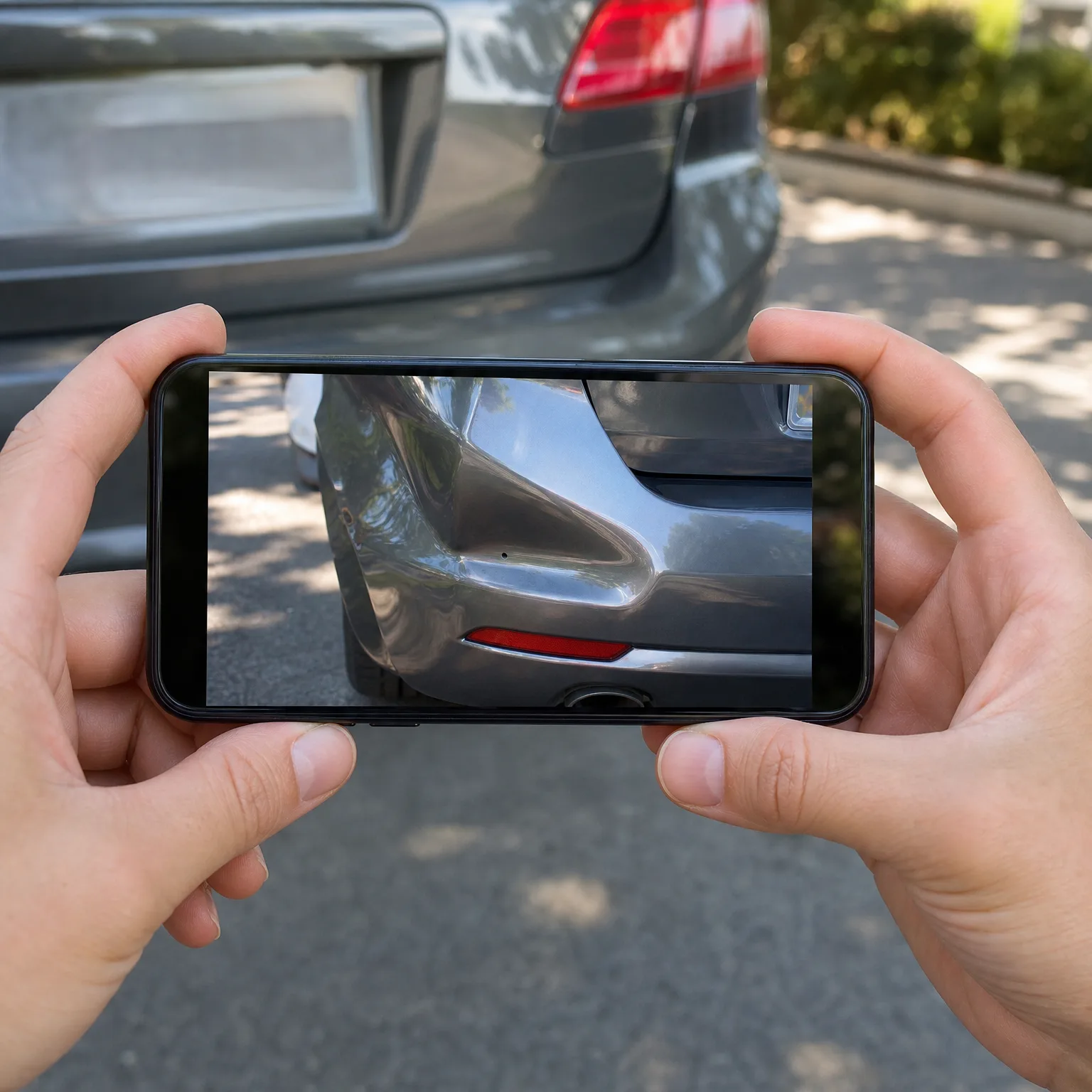
A driver backed into a pole at low speed, denting a rear quarter panel near the battery pack. No warning lights came on and the car still drove fine, so they assumed it was a quick cosmetic fix. The shop they chose, the same one that had always serviced their old gas car, couldn't clear the car without a battery safety inspection, and they weren't certified to do it.
The car sat for a week before being towed to a specialist shop two towns over. That shop confirmed the battery was fine but had to order a specific trim panel that wasn't in regional stock. Total repair time stretched to several weeks, well past what the driver's rental coverage allowed. Afterward they learned their insurer did have a certified shop closer to home, but nobody had mentioned it when they filed the claim. Next time, they plan to ask for that shop by name.
Will my insurance total the car instead of waiting for repairs?
It depends on how the repair cost compares to the car's value, not on how long the repair would take. A long wait by itself doesn't trigger a total loss decision. Insurers total a car when the estimated repair cost, including battery-related work, crosses a threshold relative to the car's value, and battery damage can push that estimate up quickly even when the outside damage looks minor.
What changes the outcome is how the battery pack is assessed. If inspectors can't confirm the battery is undamaged without replacing expensive modules, the repair estimate can jump sharply and push the car toward total loss faster than a comparable gas car would go. Ask your insurer directly how they evaluate battery damage in a claim, since this process varies by insurer and isn't always explained upfront.