What Would Make a Car Unfixable
A car becomes unfixable when the cost to repair it, including a damaged battery, gets close to what the car is worth.
The battery changes the math on every repair
Every insurer uses the same basic rule. They add up what the repair would cost, and if that number gets close enough to the car's value, they total it instead of fixing it. This isn't a special EV rule, it's the same rule that's always applied to gas cars. What's different is the number on the repair side of that equation.
A battery pack is often the single most expensive part in the car, sometimes worth a large share of what the whole car is worth. Many manufacturers also require the whole pack to be replaced if certain cells are damaged, even if most of the pack is fine, because there's no approved way to repair just the damaged section. That turns what might have been a moderate repair on a gas car into a very expensive one here, and expensive repairs are exactly what pushes a car past the total loss line.
Where the car sits on that line depends on things specific to it. A newer car with a high market value can absorb a costly repair and still be worth fixing. An older car with the same damage might not, because its value has dropped while repair costs haven't. The location of the damage matters too. A battery pack mounted low and spread across the floor can be more exposed in certain crashes than one tucked elsewhere, and that affects how often it gets hit at all.
This is also where state rules and insurer practices start to differ. Some states set the exact threshold insurers must use. Others leave more of it to the insurer's own formula. The way a battery's remaining health gets judged, whether by a fixed age rule or by an actual inspection, also varies by insurer. Ask your insurer directly how they make this call and what they'd need to see to call the battery repairable instead of replacing it outright.

What actually pushes a car past repairable
- Battery pack damage Even minor-looking damage near the battery can require full pack replacement. Ask your insurer how they decide between repairing and replacing the pack after a crash.
- The car's current value A lower resale value means less room for an expensive repair before it counts as a loss. Check what your specific car is worth now, not what you paid for it.
- Where the damage sits Damage near the floor or underbody is more likely to involve the battery than damage elsewhere. Ask what parts of the car carry the highest repair cost if hit.
- Parts and labor availability A long wait for parts or a specialist technician can add storage and rental costs on top of repairs. Ask your insurer how they handle delays specific to your car.
- Your state's total loss rule Some states use a fixed formula, others leave it to the insurer. Ask your insurer which applies to your policy and what the exact threshold is.
A fender-bender that wasn't a fender-bender
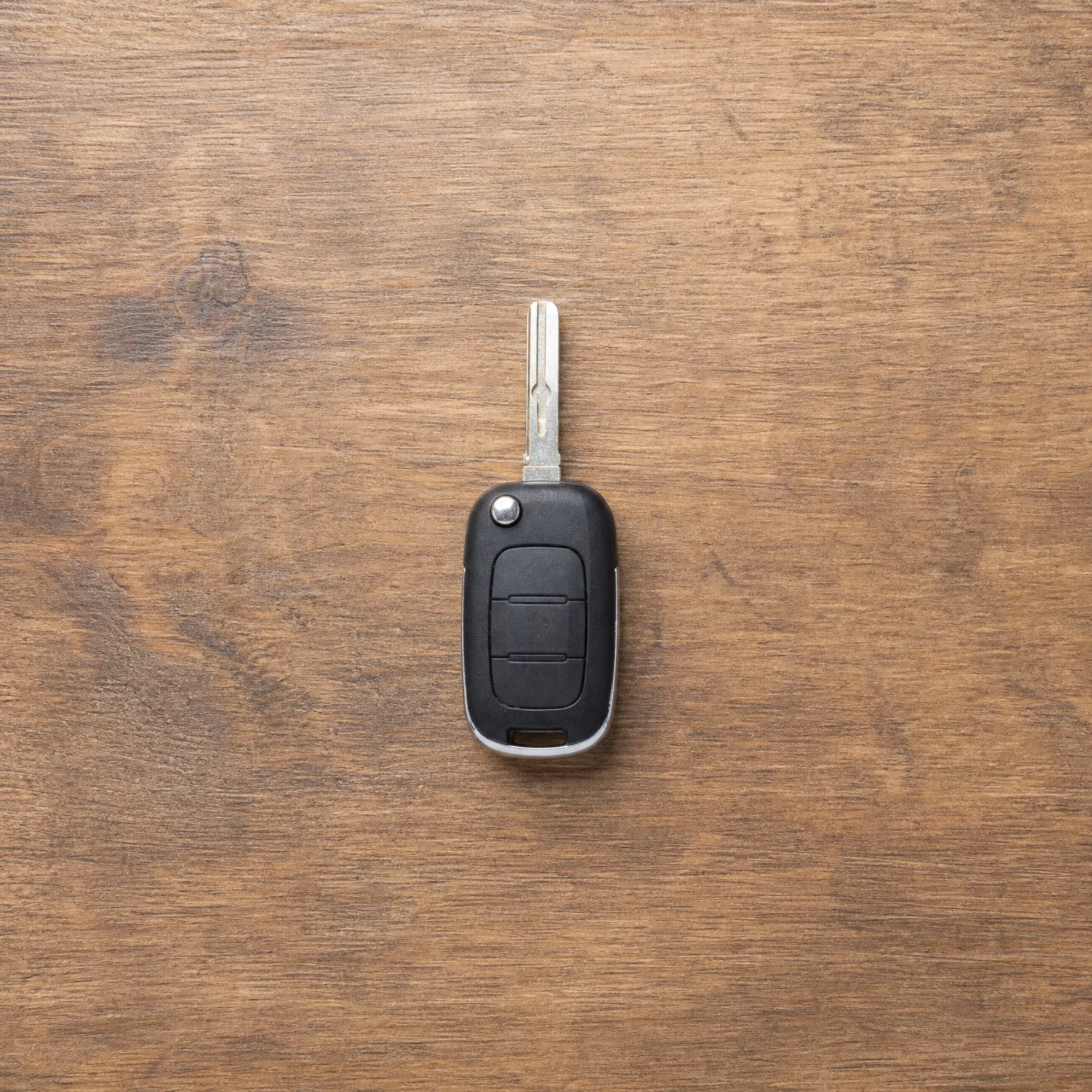
A driver backed into a low curb at low speed, just enough to scrape the underside of the car. No warning lights came on and the car drove fine afterward, so they assumed it was cosmetic. At the body shop, an inspection found the impact had reached the edge of the battery enclosure. The manufacturer's guidance required the whole pack to be checked by a certified technician before any repair could proceed, and that inspection alone took real time.
The technician found cell damage inside a section of the pack. Under the manufacturer's repair rules, that meant replacing the full pack rather than just the damaged section, since there was no approved partial repair. Once that cost got added to the rest of the bodywork, it pushed the total estimate close enough to the car's value that the insurer declared it a total loss. The driver was frustrated at first, since the car had seemed fine to drive. But once they saw the manufacturer's own inspection report, the decision made sense, and they used the payout toward a replacement rather than waiting out a repair that may have taken much longer anyway.
Now that you know what pushes an EV into total loss territory, compare quotes with that risk in mind.
Will my insurance payout actually cover a new EV or plug-in hybrid?
It depends entirely on which payout your policy gives you. A policy that pays actual cash value gives you what the car was worth right before the crash, which drops over time the same way it would for any car. That number can be lower than what you'd need to buy a similar car today, especially since EV prices and availability shift more than the broader used car market.
Some insurers offer an option that covers the cost of a new equivalent car for a limited period after purchase, but this isn't universal and isn't automatic. Ask your insurer directly whether this option exists for your policy, how long it lasts, and what it would cost to add. If it's not available, ask what cash value estimate they'd use so you know roughly what to expect before anything happens.

Does my insurance cover battery degradation that isn't from an accident?
Usually not. Standard car insurance covers sudden damage from accidents, not gradual loss of battery capacity over time from normal use. That kind of wear is typically handled through the manufacturer's battery warranty instead. Check your warranty's coverage length and what capacity loss it actually protects against, since terms vary by manufacturer and aren't part of your insurance policy at all.
Is a home EV charger covered if it's damaged or stolen?
It depends on how your policy treats permanently installed equipment versus personal property. A charger wired into your home may fall under your homeowners or renters policy rather than your car policy, while a portable charger kept in the car might fall under car insurance instead. Ask both insurers directly which one covers it and under what circumstances, since this split isn't consistent across companies.
Why is my EV insurance quote higher than my old gas car's quote?
It's mainly the repair cost, not your driving. Specialized parts, certified technicians, and battery replacement costs all raise what an insurer expects to pay if you're in an accident, and that gets reflected in your premium. Ask your insurer for a breakdown of what's driving your specific quote, since the weight given to each factor can differ between insurers.