Total Loss on an Electric Car
An electric car is totaled the same way any car is, but the battery often pushes the repair bill past the car's value much sooner.

A fender bender that became a total loss
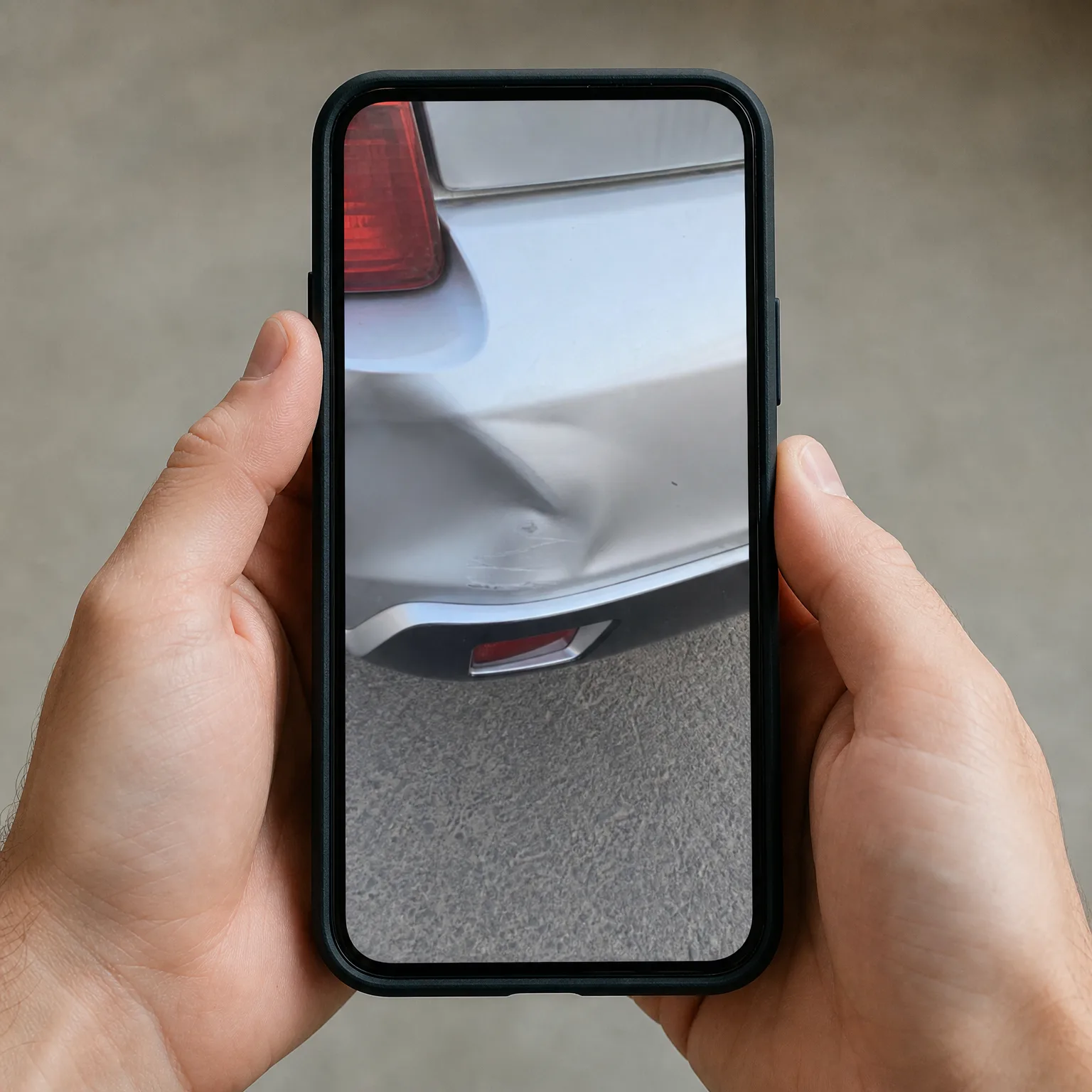
A driver backed into a low wall at a shopping lot, denting the rear corner where the battery pack sits. The body damage looked minor, a few scratches and a bent panel, and they expected a quick repair. The shop sent the car for a battery inspection instead, since many automakers require that any impact near the pack be checked by a certified technician before the car can be driven again.
The inspection found a cell module needed replacing as a precaution, even though the pack still worked. Battery modules are expensive and often cannot be bought individually, so the shop had to price a full pack replacement. That number alone was close to what the car was worth, and once labor was added the insurer declared it a total loss. The driver was paid the car's value before the crash, not what they still owed, and the gap between those two numbers became their next concern.
Will I still owe money on a totaled EV loan?
You might, and it depends on what you owe versus what the car was worth right before the crash, not what you paid for it originally. Electric cars can lose value faster in the first few years, so the payout from a standard policy may land below the loan balance, leaving you responsible for the difference.
This gap is exactly what gap coverage is built to close, and it matters more for EVs because depreciation and loan size both tend to run higher. If you financed the car and put little money down, check whether your policy includes this coverage or whether you need to add it separately. If you own the car outright, this question doesn't apply to you.
The battery, not the body damage, usually decides whether your EV gets repaired or totaled.
Compare quotes now that you know what coverage actually protects your EV's battery and payout.

Should you add gap coverage before you need it
If you do
If the car is totaled, you get the difference between what you owe and what it was worth paid to you directly, so you're not stuck paying off a car you no longer have. This matters most in the first years of a loan when the balance is highest.
If you don't
If the car is totaled and you owe more than its value, you keep paying the loan with no car to show for it. You'd need to cover that gap yourself, which can be a hard surprise on top of losing the car.

What decides if your EV gets totaled instead of repaired
- Battery damage threshold If the battery pack itself is damaged or even suspected to be, replacement cost alone can exceed the car's value. Ask your insurer how they handle battery inspections after any impact near the pack.
- Car's value right now Total loss is based on current value, not what you paid or still owe. Check your policy for how that value gets calculated and whether you can dispute it.
- Loan balance versus payout If you financed the car, the payout might not cover what you owe. Confirm whether gap coverage is included or needs to be added.
- Repair network and parts access Not every shop is certified to work on every EV battery, and parts can be slow to arrive. Ask your insurer which shops they'd send you to and how that affects repair versus total loss decisions.
- State salvage rules Some states handle salvage titles and battery disposal differently, which can affect your payout or resale options. Check your state's rules if you want to understand what happens to the car after it's totaled.
Does the home charger get covered if the car is totaled?
Usually not automatically, because the charger is often treated as separate property, not part of the car. Check your auto policy and your homeowners or renters policy to see which one would cover a charger that was damaged, stolen, or left unused after the car is gone. Some insurers let you add equipment coverage to the auto policy specifically for charging gear, so ask if that's available before assuming either policy already includes it.
Can I keep a totaled EV and buy it back from the insurer?
Often yes, through what's called a salvage buyback, though the car will carry a salvage title afterward which affects resale value and sometimes registration. Check your state's rules on salvage titles for electric vehicles specifically, since battery safety concerns make some states stricter about reselling or re-registering these cars. If you're considering this, ask the insurer what the buyback price would be and whether you could legally drive it again before deciding.
Will my rate go up after an EV is declared a total loss?
It depends on who was at fault and your insurer's specific rules, the same as with any other car. A total loss itself isn't automatically a penalty, but if the accident was your fault it's treated like any at-fault claim. Ask your insurer directly how they handle rate changes after a total loss, since this varies by company and sometimes by state, and get that answer before you decide how to proceed with a claim.