What Happens if My Electric Car Dies While Driving
Your insurance can cover the tow, and sometimes the cause, but what's included depends on your policy and why the car died.
Coverage depends on why the car died, not just that it did
An electric car losing power while driving usually comes down to one of two things. Either the battery ran out of charge, which works like running out of gas, or something mechanical or electrical failed, like a battery fault, a software glitch, or a connector problem. Insurance treats these differently, and the difference matters more than people expect.
Running out of charge isn't a covered loss under standard auto insurance anywhere. It's treated as driver error, the same way insurers treat running out of gas. What insurance does step in for is the towing afterward, but only if you added roadside assistance or towing coverage to your policy. Without it, you're paying out of pocket for a flatbed, since EVs usually can't be towed the normal way.
If the car died because of an actual mechanical or electrical failure, that's a different situation. Comprehensive coverage can apply if the failure caused damage, like a fire or a safety event, but comprehensive doesn't pay for ordinary breakdowns or worn-out parts. That's a manufacturer warranty question, not an insurance one. Whether a specific failure counts as a covered loss depends on what caused it and how your policy defines mechanical breakdown, which varies by insurer.
This is also where state rules and insurer rules diverge. Some insurers sell mechanical breakdown coverage as an add-on, others don't offer it at all for EVs yet. Check your policy declarations page for roadside assistance and mechanical breakdown coverage specifically, since neither is automatic.
A driver stalls out on the highway with no charge left
A driver misjudged their remaining range and the car lost power in the right lane of a highway. They called their insurer's roadside assistance line, which they'd added when they first insured the car, and a flatbed tow truck arrived to take the car to the nearest charging station. The tow was covered in full under their roadside assistance add-on, and they were back on the road within a couple of hours.
A few months later, the same driver's car lost power again, this time with plenty of charge remaining. It turned out to be a failed component in the battery management system. Because this was a mechanical failure rather than driver error, and because they'd also added mechanical breakdown coverage when they renewed their policy that year, the repair was covered after their deductible. Without that add-on, they would have had to rely on the manufacturer's warranty instead, which may or may not have still applied depending on the car's age and mileage.

Compare quotes that include roadside assistance and mechanical breakdown coverage for your EV.

Whether you add roadside and breakdown coverage to your policy
If you do
If you add it, a dead battery or a mechanical failure both end the same way: a flatbed tow to a charger or a shop, paid for under your policy. You pay only your deductible if a covered mechanical failure caused damage. The stressful part becomes a phone call and a wait, not a bill.
If you don't
If you skip it, running out of charge means paying for a flatbed tow yourself, since standard roadside service often won't take an EV the normal way. A mechanical failure might fall to the manufacturer's warranty instead of your insurer, and if that's expired, you're covering the repair alone.
What to check before you assume you're covered
- Roadside assistance add-on This pays for towing if you run out of charge or break down. It's rarely included by default, so check your declarations page or ask your insurer directly.
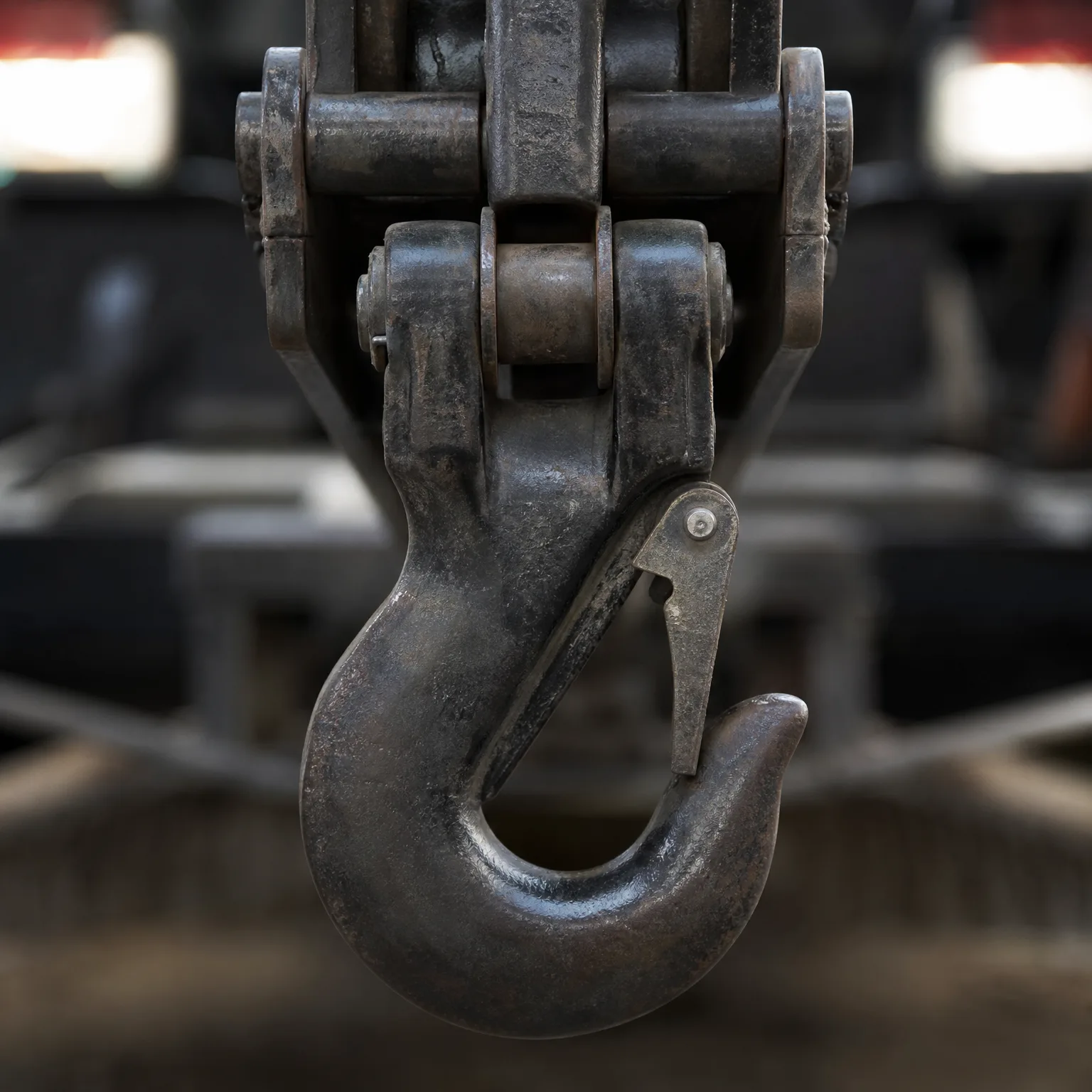
- Flatbed towing requirement Most EVs can't be towed with wheels on the ground. Confirm your roadside plan specifically covers flatbed towing, not just standard towing.
- Mechanical breakdown coverage This can cover actual EV component failures, separate from running out of charge. Not all insurers offer it, so ask specifically if it exists for your policy.
- Manufacturer warranty status Battery and drivetrain failures may be covered by the manufacturer instead of insurance. Check your warranty's remaining mileage and years before assuming insurance will pay.
- Comprehensive coverage limits Comprehensive can apply if a failure causes fire or other damage, but not for a simple breakdown. Read your policy's definition of a covered loss to know where that line sits.
Does insurance cover a dead EV battery the same as a dead gas tank?
Largely yes, running out of charge is treated like running out of gas, as driver error rather than a covered loss. What differs is the tow, since EVs typically need a flatbed rather than a standard tow truck. Check whether your roadside plan explicitly covers flatbed towing, since some basic plans don't. If your battery failed due to a defect rather than normal depletion, that's a separate question involving warranty or mechanical breakdown coverage instead.
Will my insurance rate go up after an EV breakdown claim?
It depends on what kind of claim it was. A roadside assistance call for a tow usually doesn't affect your rate, since it's a service call rather than a claim against liability or damage coverage. A comprehensive claim for actual damage, like a battery fire, can affect your rate depending on your insurer's rules. Ask your insurer directly how they classify breakdown-related tows versus damage claims, since this varies by company.
Is a dead battery considered a total loss for insurance purposes?
Only if the battery was damaged and the repair or replacement cost exceeds your insurer's total loss threshold, not simply because it lost charge while driving. Running out of charge causes no damage, so it isn't a total loss event at all. A damaged battery from a collision or fire is different and gets evaluated like any other costly repair. Check your policy's total loss formula and ask your insurer how they value EV battery replacement specifically, since this can vary by insurer.