Range and Roadside Assistance
Standard roadside plans will tow a dead EV to a charger, but most won't send a truck that charges it where it sits.
What to check before you need a tow
- Flatbed-only towing EVs often can't be towed with wheels on the ground because it can damage the motor. Confirm your plan sends a flatbed, not a standard tow dolly.
- Charge instead of fuel delivery A gas plan sends a can of fuel, but an EV needs either a tow or a mobile charging unit. Ask your insurer or roadside provider which one your plan includes.
- Distance limits to a charger Some plans cap how far they'll tow you, which matters if chargers are sparse where you drive. Check the mileage limit and whether it's enough for your usual routes.
- Insurer vs automaker plan Roadside help can come from your insurer, your automaker, or a membership you already have. Check all three so you're not paying twice or assuming coverage you don't have.
- Cold weather range drops Range falls in cold weather, which catches new EV owners off guard more than fuel use ever did in a gas car. Build in a buffer on long trips rather than counting on rated range.
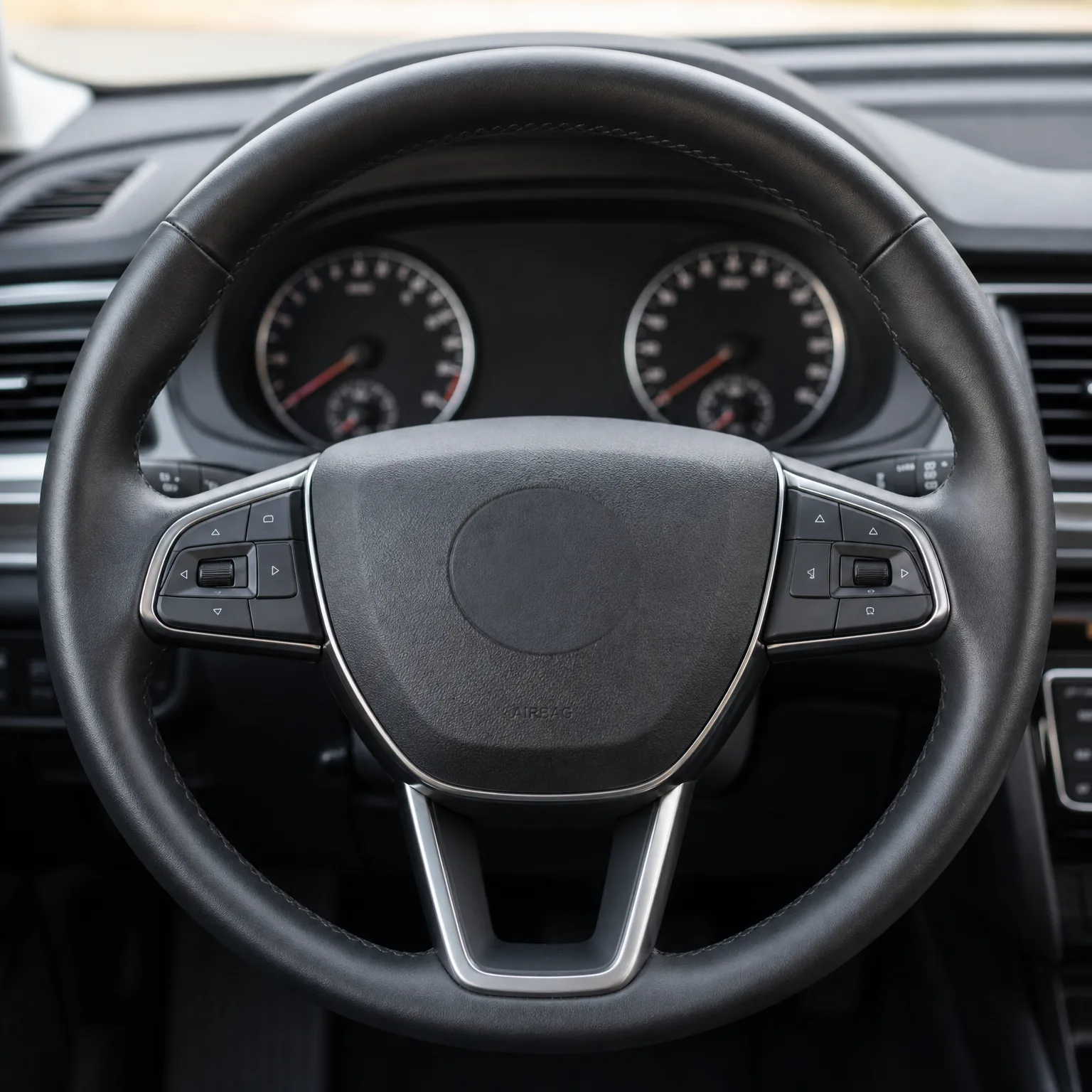
Running low on a cold highway drive
A driver heading home on a winter evening watched the range estimate drop faster than expected, the heater and highway speed pulling more from the battery than the display had predicted earlier that day. With the next charger further away than the remaining range allowed, they called the roadside number listed on their insurance card instead of continuing and hoping.
The operator asked for the car's exact location and confirmed a flatbed was being sent, since towing an EV any other way risked damaging the drivetrain. The driver waited about forty minutes, and the truck took the car to the nearest charger rather than to a repair shop, since nothing was broken. After a partial charge, they drove the rest of the way home. The driver later checked their policy and found the towing distance covered was generous enough for most of their regular routes, which settled a worry they'd had since buying the car.
Does my insurance automatically include EV-appropriate roadside help?
Not always, and this is worth confirming rather than assuming. Some insurers added flatbed towing and mobile charging to their standard roadside coverage once EVs became common, but others still offer a generic plan built around gas cars, which can mean a tow truck that isn't equipped to move your car safely.
The only way to know is to ask directly whether the roadside plan includes flatbed towing for EVs and whether mobile charging is an option, or whether you'd simply be towed to the nearest charger. If your current plan comes up short, you can usually add better coverage for a modest cost, or rely on a separate membership through your automaker if one came with the car. Don't assume the roadside sticker on your card means the truck that shows up will know what to do with your car.
Now that you know what to ask about roadside coverage, compare quotes to see what EV-ready plans actually cost.

Why EVs need different roadside rules
Roadside assistance was built around gas cars, where running out of fuel is solved with a can of gas and a tow truck can drag a car onto its wheels without much risk. EVs break both assumptions. The battery and drivetrain are more sensitive to being towed incorrectly, and there's no equivalent of a gas can, so a stranded EV either gets a flatbed tow or a mobile charging unit if one is available in your area.
This is why coverage varies so much. Insurers and roadside providers had to decide, car by car and plan by plan, whether to invest in flatbed trucks and charging units, and not all of them moved at the same pace. In some areas, flatbed tow trucks are common and mobile charging units are rare. In other areas, it's the opposite. What's available to you depends more on where you live than on which insurer you chose.
Range itself works differently too. A gas car's range estimate is fairly stable, but an EV's range shifts with temperature, speed and how much the heater or air conditioning is running. This is why new EV owners get caught off guard more often than gas car owners did, not because they're less careful, but because the margin for error is genuinely smaller and less predictable.
The exception is when automakers bundle their own roadside assistance with the car, which sometimes includes charging-specific help your insurance policy doesn't need to duplicate. If you have one of these, it's worth comparing it against your insurance roadside add-on so you're not paying for the same thing twice, or assuming you have coverage that only exists under the other plan.
The roadside help from your last car likely doesn't fit this one, so check rather than assume it does.