Plug In Hybrids and Insurance
A plug-in hybrid usually costs a bit more to insure than the gas car it replaced, mainly because of battery and parts costs.

A fender bender that became a battery question
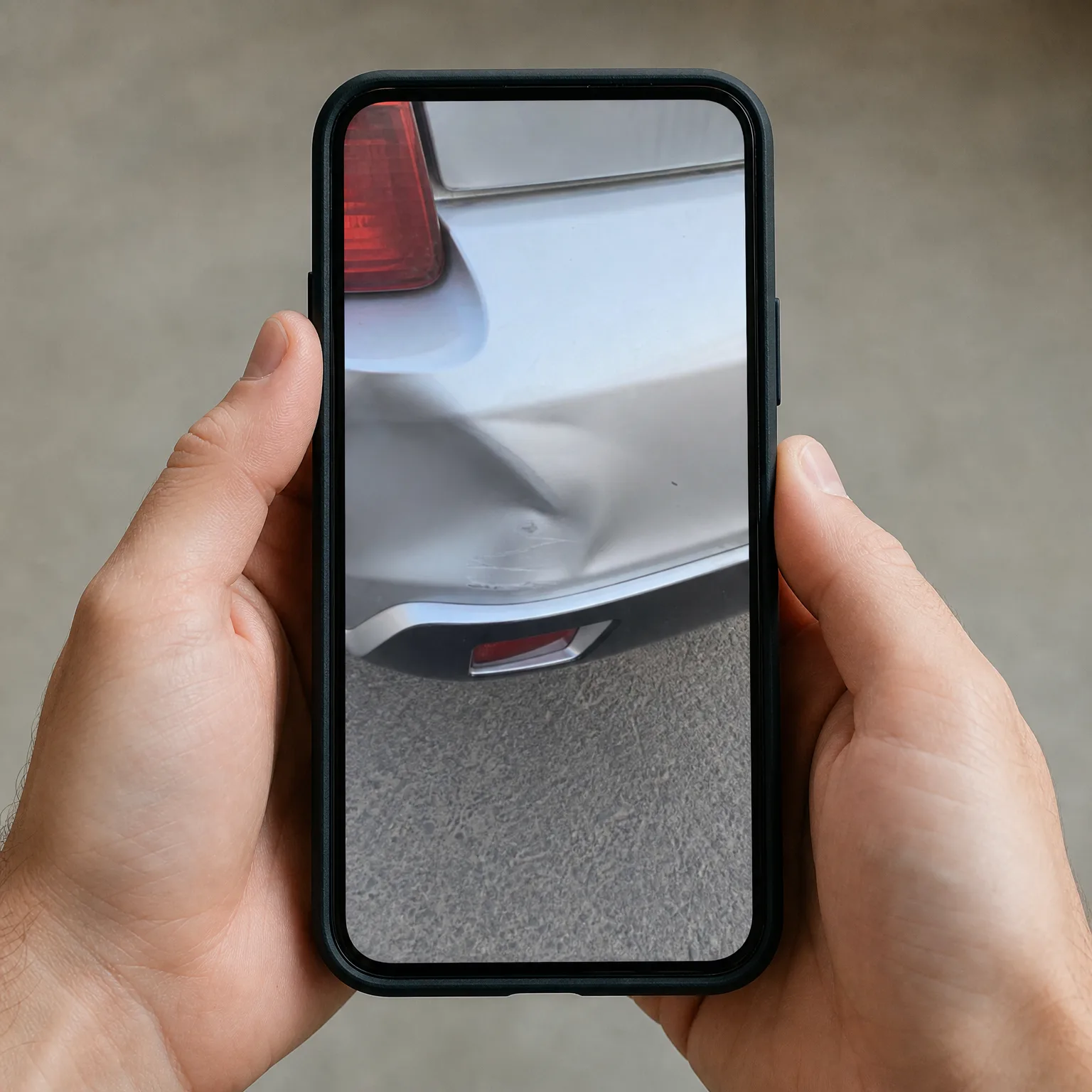
A driver backed into a parked plug-in hybrid at low speed, denting the rear quarter panel near the charging port. The owner assumed it was cosmetic, but the shop wanted to inspect the battery pack and charging hardware before giving an estimate, since the impact was close to both.
The inspection took longer than a gas car repair would have, and the owner used a rental car during the wait. The damage turned out to be surface level, the battery was fine, and the repair was covered under the other driver's liability coverage. The owner later checked their own policy and added rental coverage, realizing the wait could have been longer if the battery had needed real testing.
Will my battery be covered if it's damaged?
Yes, if the damage comes from a covered event like a collision or a covered weather event, the battery is treated as part of the car and covered under your comprehensive or collision coverage, whichever applies. There isn't usually a separate battery policy.
What matters more is how the claim gets handled. Battery testing and diagnostics can take longer than normal bodywork, so ask your insurer how they handle battery inspections and whether they work with shops that are certified for your car's battery system. If you're unsure whether a shop near you can do this work, ask your insurer directly before you need the answer in a hurry.

Now that you know what drives the cost, compare quotes to see what a fair price looks like for your car.

What actually changes the price and the claim
- Battery replacement cost The battery is the most expensive single part on the car, and insurers price for that risk. Ask what it would cost to replace and whether your coverage limits reflect that.
- Certified repair shops Not every body shop is equipped to work on plug-in hybrid batteries and electrical systems. Ask your insurer which shops they use and whether one is near you.
- Parts and repair delays Specialized parts can take longer to arrive than parts for a gas car, which stretches repair time. Consider rental car coverage so a delay doesn't leave you without a vehicle.
- Home charger coverage If you install a home charger later, check whether it's covered under your auto policy or your home policy. Don't assume it's automatically included in either.
- Total loss risk on minor damage Because the battery is costly, some accidents that would be a simple repair on a gas car get closer to the car's full value. Know your car's value and how your insurer decides total loss.
It's the price of an expensive part, not a markup. Price coverage around the battery, not the old car.
Does a plug-in hybrid cost more to repair than a regular hybrid?
Often yes, because of the larger battery and the electrical components tied to it. A regular hybrid has a smaller battery and simpler system, so repairs tend to be closer to a gas car's cost. Ask your insurer or a local shop for repair cost comparisons specific to your model, since this varies by manufacturer and by how the battery is built into the car's structure.
Will my insurance go up if I charge at a public station instead of at home?
No, where you charge doesn't affect your insurance rate. Insurers price based on the car, your driving history and where you live, not your charging habits. If you're choosing between home charging and public charging, that decision affects your electricity costs and convenience, not your policy. Check your state's rules only if you're installing permanent charging equipment that affects your home's wiring or structure.
Do I need gap insurance on a plug-in hybrid?
It depends on how much you still owe compared to the car's value, which can matter more for these cars since the battery raises total loss risk on moderate damage. If you financed the car and owe close to or more than it's worth, ask your insurer or lender whether gap coverage makes sense. Check your loan terms and your car's expected depreciation to see how big that gap might be.