Insuring an Electric Car
An EV usually costs more to insure because the battery is expensive to repair or replace, so your coverage needs to match that risk.

A fender bender that became a bigger claim
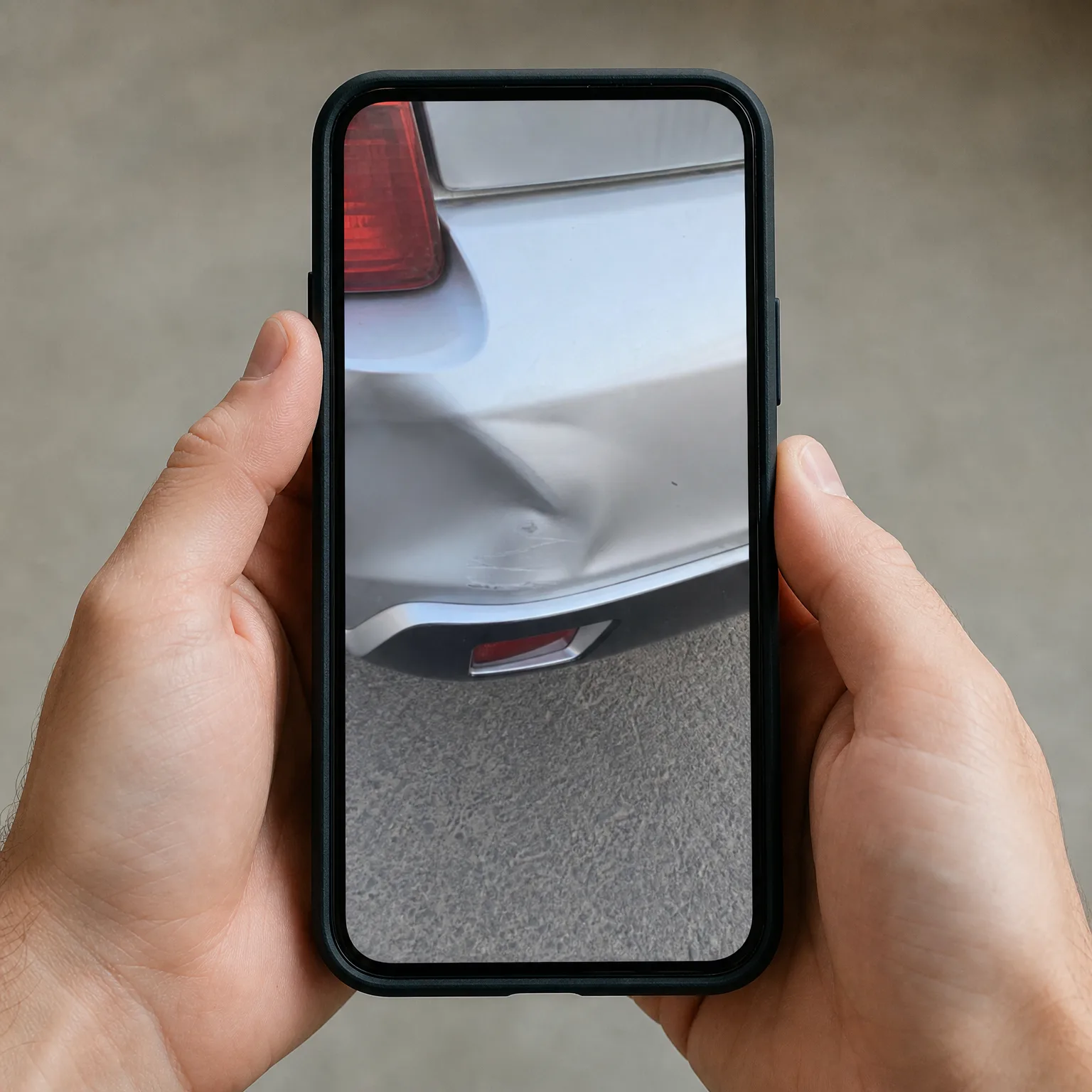
A driver backed into a parked EV at low speed, the kind of bump that would have cost a few hundred dollars to buff out on a gas car. The sensor housing near the bumper was tied into the battery management system, and the shop had to run a full diagnostic before it could even quote the repair. The estimate came back well above what the driver expected for what looked like cosmetic damage.
Because the owner had chosen a policy with coverage for the battery and electronics, and had kept collision coverage instead of dropping it to save money, the claim was paid without a fight over whether the diagnostic work was necessary. The car was back on the road in a few weeks, slower than a typical gas repair because the part had to come from a limited supply chain, but the owner wasn't stuck paying out of pocket for the sensor work or the loaner car. The lesson they took away was that the coverage they almost skipped was the reason the bill didn't land on them.
Why is my EV insurance quote higher than my old gas car's?
The price mostly reflects what it costs to fix or replace the car, not how you drive it. Batteries are expensive, repair shops that handle them are fewer, and parts often take longer to arrive. Insurers price all of that into the policy before you ever file a claim.
It can also reflect the car itself. Many EVs accelerate faster than the gas car they replaced, and some have higher repair costs across the board, electronics included, not just the battery. If your quote seems out of line with what other EV owners report, ask the insurer to walk through what's driving the number. Sometimes it's the car's claims history, sometimes it's your location, and sometimes it's a coverage choice you can actually change.
The battery, not the motor, is what decides your insurance cost, so insure the car for what it actually is.
Now that you know what your EV needs covered and why, compare quotes with that list in hand.

Whether you add coverage for the battery and electronics
If you do
A cracked battery pack, flood damage, or fried electronics after a crash get repaired or replaced without a separate fight over cost. Your premium is a bit higher, but a single bad claim doesn't turn into a bill you pay yourself or a car that gets totaled over a fixable problem.
If you don't
You're relying on standard collision and comprehensive coverage to stretch over battery-specific damage, and it may not fully. A fender bender that touches the battery housing can turn into a total loss faster than it would for a gas car, and you'd absorb the gap.
The battery and repair network drive the cost, not the motor
Insurers price a policy around what they'd have to pay out if something goes wrong, and for an EV that number is shaped by the battery. It's the single most expensive part of the car, it's hard to repair in place, and when it's damaged the usual answer is to replace the whole pack. That's expensive enough that even moderate collision damage can push the repair bill close to the car's value, which is why total losses happen sooner on EVs than on comparable gas cars.
Repair capacity plays into it too. Shops qualified to work on high-voltage systems are less common than general body shops, so parts and labor can take longer to line up. Longer repair times mean longer rental car periods and more exposure for the insurer, and that gets reflected in the premium.
Where you live and which insurer you use changes how much of this applies. Some states have more EV-certified shops than others, some insurers have more experience pricing these cars accurately, and some offer specific coverage add-ons for battery damage while others fold it into standard comprehensive coverage. It's worth asking directly whether battery repair or replacement is explicitly covered, rather than assuming it falls under a general category.
The home charger is a separate question from the car itself. Depending on the insurer, equipment you installed at home may need to be added to a homeowners or renters policy rather than the auto policy, since it's a fixture, not a vehicle. Ask which policy would actually respond if it was damaged or caused damage, because the answer isn't the same everywhere.
Does my car insurance cover my home EV charger if it breaks or causes a fire?
Usually not through your auto policy. A home charger is typically treated as part of your house, so it falls under homeowners or renters insurance rather than the policy covering the car itself. Check with your home insurer specifically about charging equipment, since some policies exclude it unless you add it as scheduled property. If you rent the charger instead of owning it, the coverage question may shift to the leasing company's terms instead.
Will my EV be declared a total loss after a repairable-looking accident?
It's more likely than with a gas car, because battery repair costs climb fast even from moderate damage. Insurers total a car when the repair estimate crosses a set share of its value, and a damaged battery pack can hit that threshold quickly even if the body damage looks minor. Ask your insurer how they evaluate battery damage specifically, since some inspect and repair packs in place while others replace by default, which changes how often this happens.
Does a longer EV warranty mean I can lower my insurance coverage?
No, the warranty and your insurance cover different things. A battery warranty protects against defects or degradation over time, not damage from a crash, flood, or theft, which is what your insurance handles. Carrying less insurance because of a warranty leaves you exposed in exactly the situations the warranty doesn't touch. Check your warranty's exact terms, but expect that it was never meant to replace collision or comprehensive coverage.