EV Totaled After a Minor Crash
A small crash can total an EV because inspecting or replacing the battery pack often costs more than the car is worth.
The battery, not the dent, decides whether the car is totaled
On a gas car, a minor crash usually means a bumper, a fender, maybe a headlight. The insurer fixes what's visibly broken and moves on. An EV has a large battery pack built into the floor of the car, and that pack is one of the most expensive parts in the whole vehicle. Even a crash that only crumples a bumper can be close enough to the pack that the insurer has to check it before they'll call the car safe to drive.
That check is often the expensive part, not the repair itself. Battery packs can require specialized diagnostic work, and in many cases the manufacturer's guidance is to replace the pack rather than attempt a repair if there's any risk of hidden damage. Replacement cost compared against the car's value is exactly how a total loss gets decided, so a pack replacement can push the repair bill past the car's worth even when the outside damage looked minor.
This is why two cars in the same fender bender can get two different outcomes. A gas car gets fixed for a modest bill. An EV, depending on where the battery sits and how the manufacturer handles inspection, can get written off. It isn't that insurers are quicker to total EVs out of caution alone, it's that the real repair math works differently once a battery is involved.
What varies is how your insurer and your specific car's manufacturer handle this. Some manufacturers have clearer rules for when a pack must be replaced versus inspected and cleared. Ask your insurer how they handle battery inspection after a claim, and ask whether your policy lets you choose a repair shop qualified to work on your specific battery.
A fender bender that became a full payout
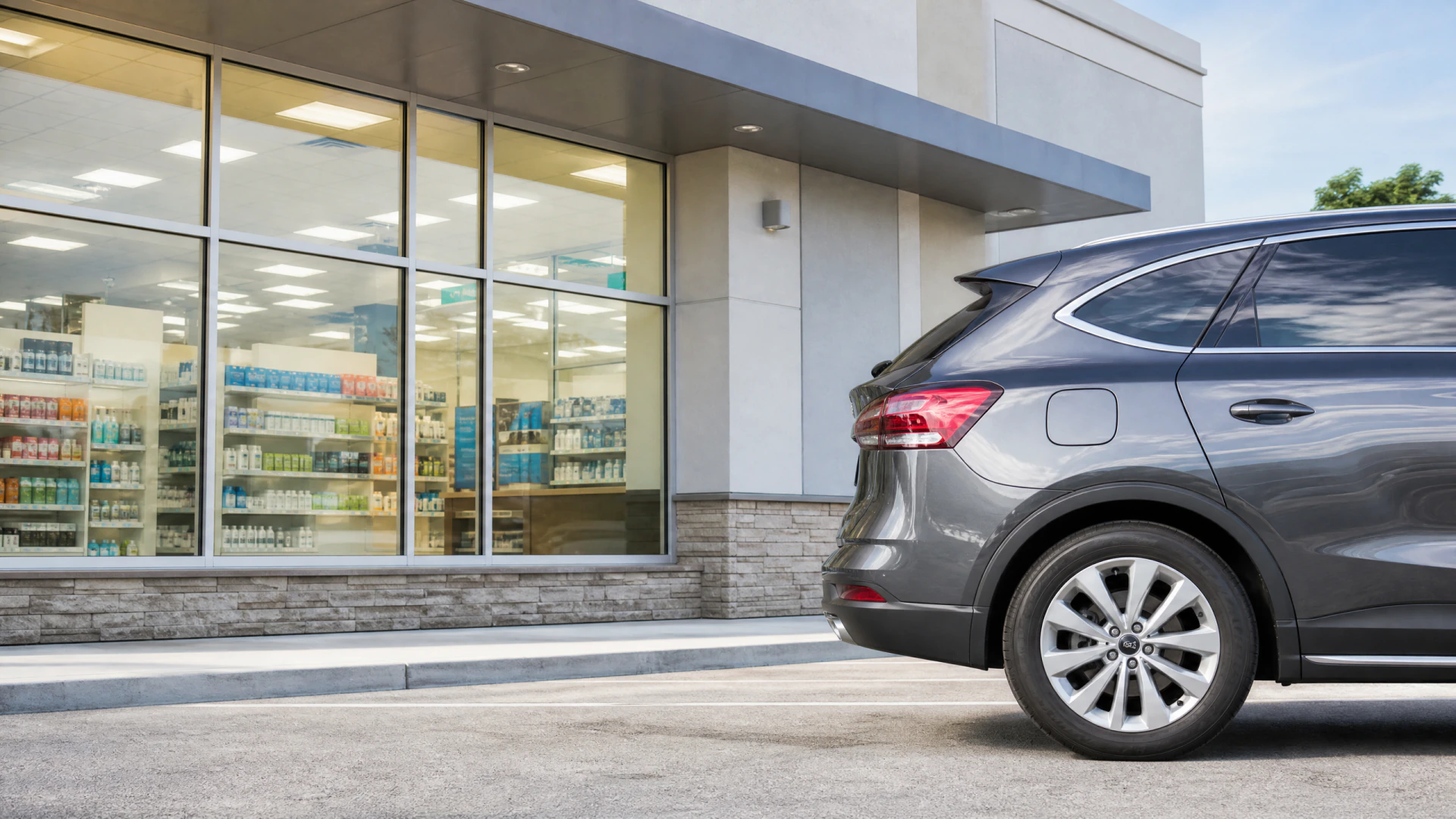
A driver backed out of a parking spot and was bumped by another car at low speed. The bumper cracked and one tail light was broken, nothing that looked serious. The driver filed a claim expecting a quick repair, the kind they'd gotten on a previous gas car for similar damage.
The insurer sent the car to a shop that had to run a full diagnostic on the battery pack before clearing it as safe. The inspection found nothing broken, but the manufacturer's guidance required replacing a section of the pack anyway because of where the impact occurred. Once that replacement cost was added up, it came close enough to the car's value that the insurer declared it a total loss and paid out instead of repairing it. The driver was frustrated at first, but understanding why it happened helped them ask better questions before buying the next car, including whether a qualified shop was nearby and how the next insurer defined total loss.

Treat the battery, not the body damage, as what decides the outcome of any EV claim.
Compare quotes now that you know how claims and total-loss decisions actually work for your EV.

Ask about battery claims before you need to file one
If you do
You'll know in advance whether your insurer requires manufacturer-approved shops, how they decide between repair and replacement, and roughly how total-loss decisions get made. If a crash happens, you won't be guessing, and you can ask informed questions from the start instead of learning the rules in the middle of a stressful claim.
If you don't
You'll find out the rules only after a crash, when you have less time and less leverage to ask questions. You might assume your policy works like it did for a gas car, and be surprised when a small accident leads to a total loss instead of a routine repair.
Can you do anything now to lower the chance a minor crash totals your EV later?
You can't eliminate the risk, because the battery's size and placement is just how these cars are built. But you can reduce surprises. Ask your insurer directly how they handle battery inspection and replacement after a claim, and whether they work with shops qualified for your specific manufacturer. Some insurers and manufacturers have clearer, faster processes than others, and that difference matters more for EVs than it ever did for gas cars.
It also helps to understand your policy's total-loss threshold, since that's the number your insurer compares against the repair estimate. You can't change how that threshold works, but knowing it exists helps you understand why the decision got made the way it did. If you're still shopping for coverage, ask specifically about EV battery claims before you buy, not after.