Does a PHEV Qualify for an EV Insurance Discount
A PHEV sometimes qualifies, but it depends entirely on whether your insurer defines 'electric vehicle' to include plug-in hybrids.
The discount follows the insurer's definition, not your car's badge
Insurers built these discounts around risk and cost, not marketing categories. A battery pack adds replacement cost and sometimes specialized repair needs, so some insurers price that in with a discount meant to attract these cars or reward safety features that often come with them. Whether a plug-in hybrid counts depends on how that specific insurer wrote the rule.
Some insurers define the discount around any vehicle with a plug, which includes your PHEV. Others define it strictly around vehicles with no gas engine at all, which excludes plug-in hybrids even though they run on battery power part of the time. There's no single standard across the industry, so the same car can qualify with one insurer and not another.
This is also something that can change over time, since insurers update their underwriting rules as they learn more about repair costs and claims patterns for plug-in hybrids specifically. A PHEV that didn't qualify last year might qualify now, or the reverse could happen.
The only way to know for certain is to ask the insurer directly how they define the vehicles eligible for that discount, and whether a plug-in hybrid with a gas engine still counts. Don't assume based on what you've heard about pure electric vehicles, since the rules for those don't automatically carry over.

When the discount showed up only after asking directly
A driver who'd just bought a plug-in hybrid called around for quotes and noticed one insurer's online tool never mentioned an EV discount at all, while a second one applied it automatically. Rather than assume the second quote was simply better priced, the driver called the first insurer and asked specifically whether plug-in hybrids counted under their definition of an electric vehicle.
It turned out they did, but the online quoting tool only flagged the discount for cars with no gas engine, so it had been missed in the automated quote. Once the agent added it manually, the two quotes ended up close to each other. The driver learned that the sticker on the quote isn't always the full picture, and that asking the direct question mattered more than trusting what a tool filtered through.

Compare quotes now that you know to ask each insurer directly whether your plug-in hybrid counts for their EV discount.
Will switching insurers just to get the EV discount actually save money overall?
Not necessarily. The discount is one piece of the total price, and insurers that offer it sometimes price their base rates higher to begin with, which can cancel out the savings. A lower overall quote from an insurer without any EV discount at all is still a lower bill.
Compare the full quote, not just whether the discount line item appears. Look at total premium, deductible options, and coverage for the battery specifically, since that matters more for a plug-in hybrid than the discount label does. The discount is worth asking about, but it shouldn't be the only factor that decides where you buy coverage.
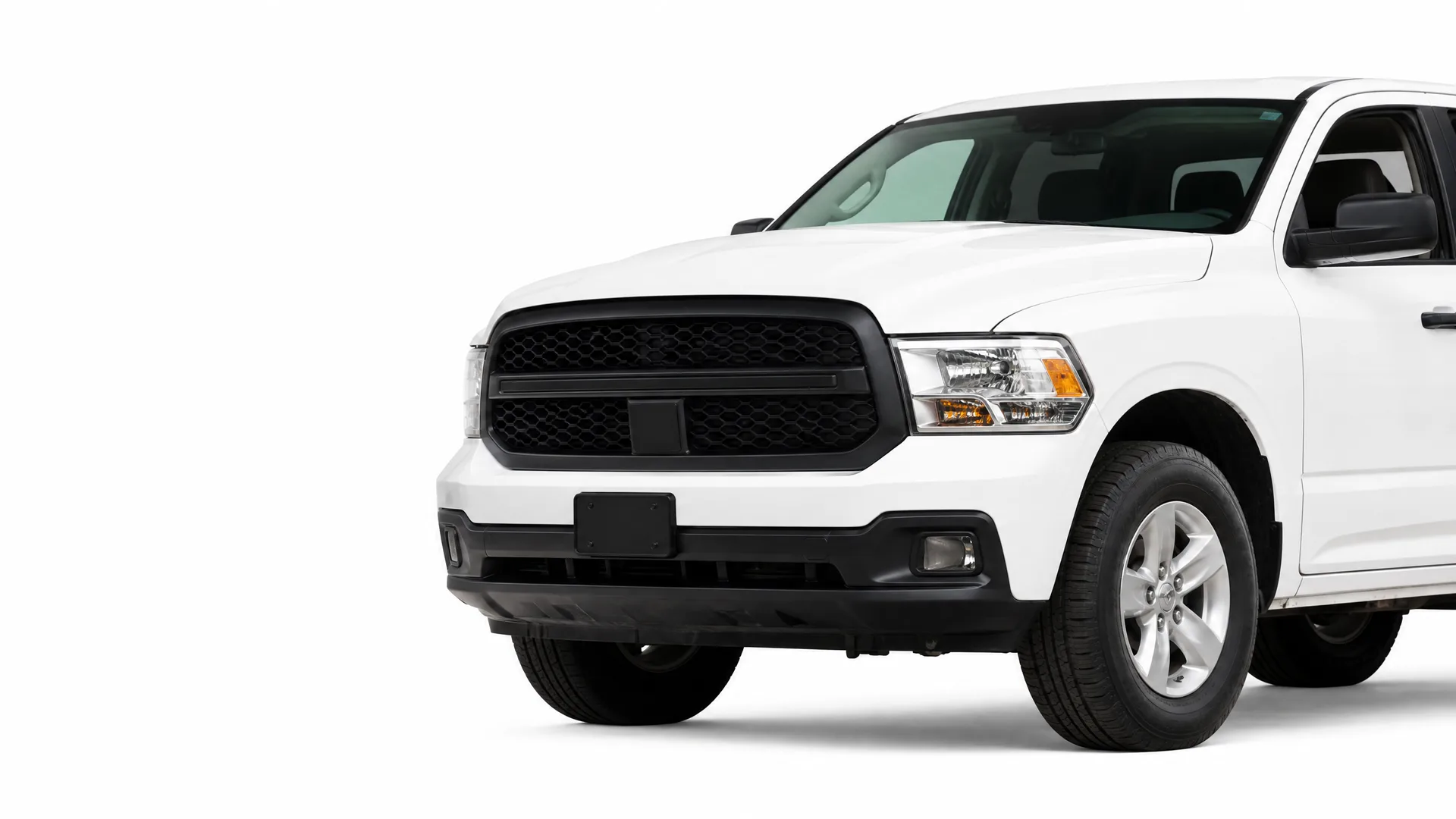
The badge on your car means nothing to an insurer. Only their written definition decides if you qualify.
Is a plug-in hybrid battery covered the same way as a fully electric car's battery?
Coverage usually comes from your regular collision and comprehensive coverage rather than a separate battery policy, for both plug-in hybrids and full electric cars. The difference is repair cost and availability of parts, which can vary by manufacturer. Ask your insurer specifically how they handle battery damage claims and whether repair network access affects how long a claim takes for your particular model.
Does my plug-in hybrid cost more to insure than the gas version of the same model?
Often yes, because the added battery and electric components raise the car's overall value and repair cost, which insurers factor into the premium. This isn't about the EV discount at all, it's a separate underwriting calculation based on the vehicle's price and parts cost. Ask for a side by side quote on both versions if you're unsure whether the difference is fair for your situation.
Do safety features on my PHEV lower my premium separately from any EV discount?
Yes, safety features like automatic braking or lane assistance are usually priced as their own discount, separate from anything related to the car being a plug-in hybrid. Many PHEVs come equipped with these features standard, so you may qualify for savings there even if the EV-specific discount doesn't apply. Ask the insurer to list every discount applied to your quote, not just the EV one.