Can GAP Insurance Be Purchased Later
Yes, you can usually add GAP coverage after the purchase, often through your insurer instead of the dealer.
Why you don't have to decide this at the dealership
GAP coverage exists to close the gap between what your car is worth and what you still owe if it's totaled. That gap is often wider with EVs and plug-in hybrids, because the battery is expensive to replace and the vehicle can depreciate faster in the early years. Dealers sell GAP as an add-on during financing, but it is not tied to that moment. It's a product your insurer can usually add to your policy later, sometimes for less than the dealer charged.
The reason timing matters is simple. GAP only pays out if you have a loan or lease balance larger than the car's value when it's totaled. If you wait too long, your loan balance may shrink enough that the gap disappears, and the coverage becomes unnecessary. If you buy it too late after a loss, it won't apply at all because the claim already happened.
This is where it varies by insurer and by state. Some insurers cap how long after purchase you can add GAP, others tie it to your loan term or your car's age. A few states regulate GAP as an insurance product with its own rules, others treat it as a financing add-on with different disclosure requirements. Check with your insurer directly about their window and any mileage or age limits before you assume you still qualify.
The underlying logic doesn't change with the car. What changes is how fast value and loan balance move apart, and for an EV that gap can open faster in year one. That's why this question matters more for you than it did for your last car, even though the mechanics of GAP itself are identical.
The short version
Yes, GAP can usually be purchased after you buy the car, most often through your insurer rather than the dealer. It still pays the difference between what you owe and what the car is worth if it's totaled. Call your insurer now, ask about their deadline to add it, and compare that price to what the dealer quoted.

A driver who skipped GAP at the dealer and added it a month later
You bought a plug-in hybrid and financed most of the price. The dealer offered GAP as an add-on during the paperwork, priced as a flat fee rolled into the loan. You weren't sure you needed it yet and said no, wanting time to compare it against what your insurer might charge.
A few weeks later you called your insurer, described the loan amount and the car's price, and asked if GAP could be added to the policy. It could, and the cost was lower than the dealer's quote, charged per period instead of as a lump sum financed with interest. You added it that day, confirmed the effective date, and kept the dealer's paperwork as a record that you'd declined their version on purpose rather than by accident.
Now that you know GAP can wait, compare quotes that include it and see what it actually costs on your policy.


What to check before you add GAP coverage
- Your insurer's deadline Most insurers set a window after purchase for adding GAP. Ask directly what it is before you assume you still have time.
- Your loan balance versus value GAP only matters while you owe more than the car is worth. Ask your insurer to estimate how long that gap is likely to last for your loan.
- Dealer price vs insurer price Dealers often charge a flat fee financed with interest, insurers often charge per period. Get both numbers before deciding where to buy it.
- State rules on GAP Some states regulate GAP as insurance, others as a financing product, and the rules affect refunds and cancellation. Ask your insurer which applies to you.
- Battery and total-loss risk EV batteries can make a totaled car's repair cost exceed its value faster than a gas car. Mention this to your insurer when asking if GAP makes sense for you.
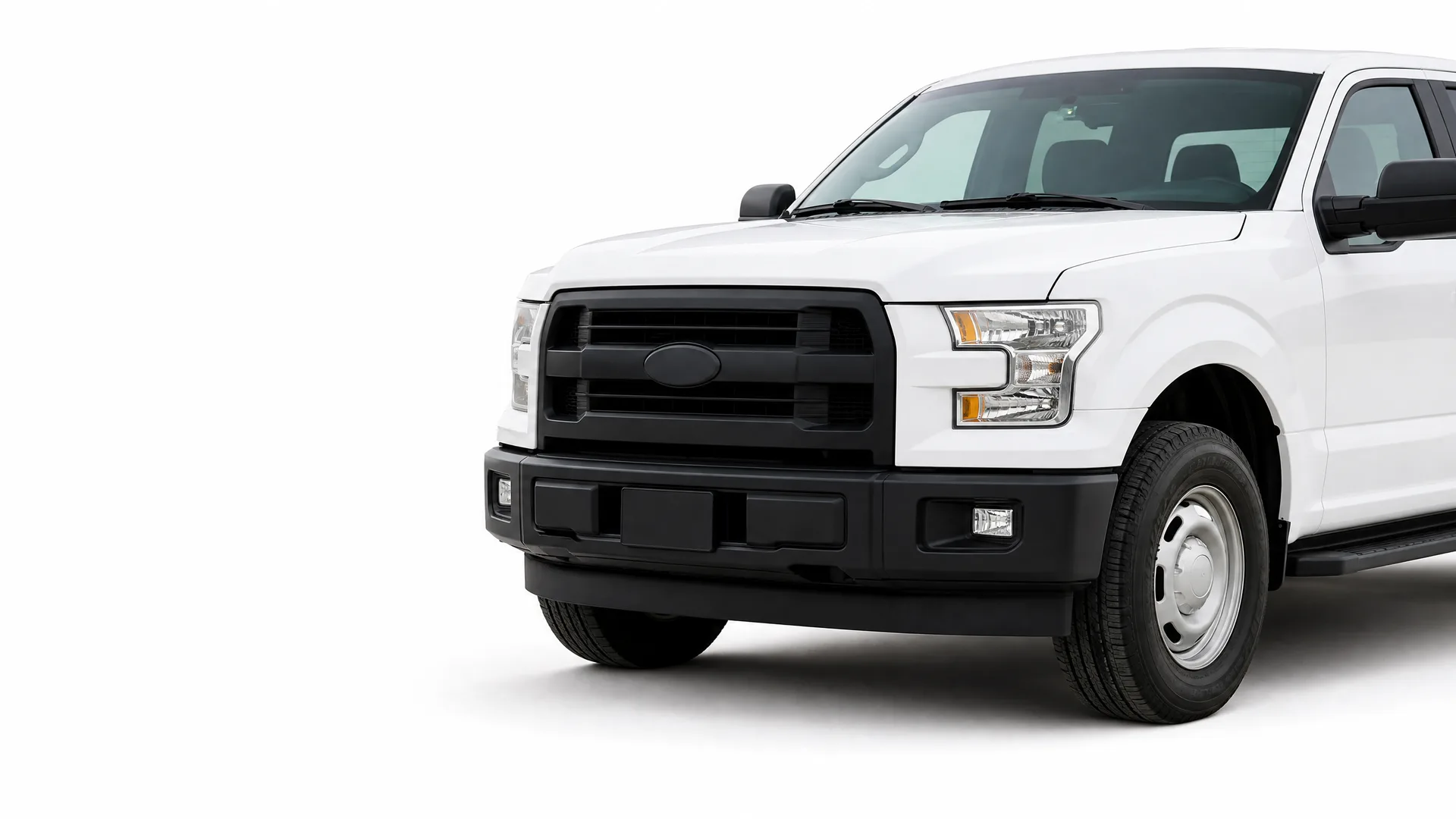
The dealer's offer isn't your only chance. You can shop GAP the same way you shopped the car.