Are EV Cars Expensive to Repair
Yes, EVs generally cost more to repair than gas cars, mainly because of battery and parts costs, not because they break more often.

What actually drives the higher repair cost
- The battery is the expense A damaged battery pack can cost more than the rest of the car combined to replace. Ask your insurer directly how they handle battery damage and whether it's covered as a repair or treated as a total loss.
- Fewer shops can fix EVs Not every body shop is certified to work on your EV's battery and electrical systems. This can mean longer waits and towing to a shop farther away, so ask your insurer which shops they recommend near you.
- Sensors and cameras add up EVs are packed with sensors, cameras and software that gas cars often don't have. A minor bumper scrape can trigger recalibration costs that a traditional repair wouldn't.
- Minor damage can total the car Because battery repairs are so costly, insurers sometimes total an EV after damage that would be a routine fix on a gas car. Ask how your insurer decides between repairing and totaling.
- Choose coverage deliberately Basic liability coverage won't pay for damage to your own EV at all. If you want battery and collision damage covered, you need to specifically choose that coverage and understand its limits.

The short version
Yes, EVs cost more to repair, mainly due to battery replacement costs, specialized parts and limited certified shops. This is why EV insurance often costs more than it did for your old gas car. Before comparing quotes, decide what coverage you want for battery damage and confirm your insurer has certified repair shops near you.

A fender bender that became a bigger decision
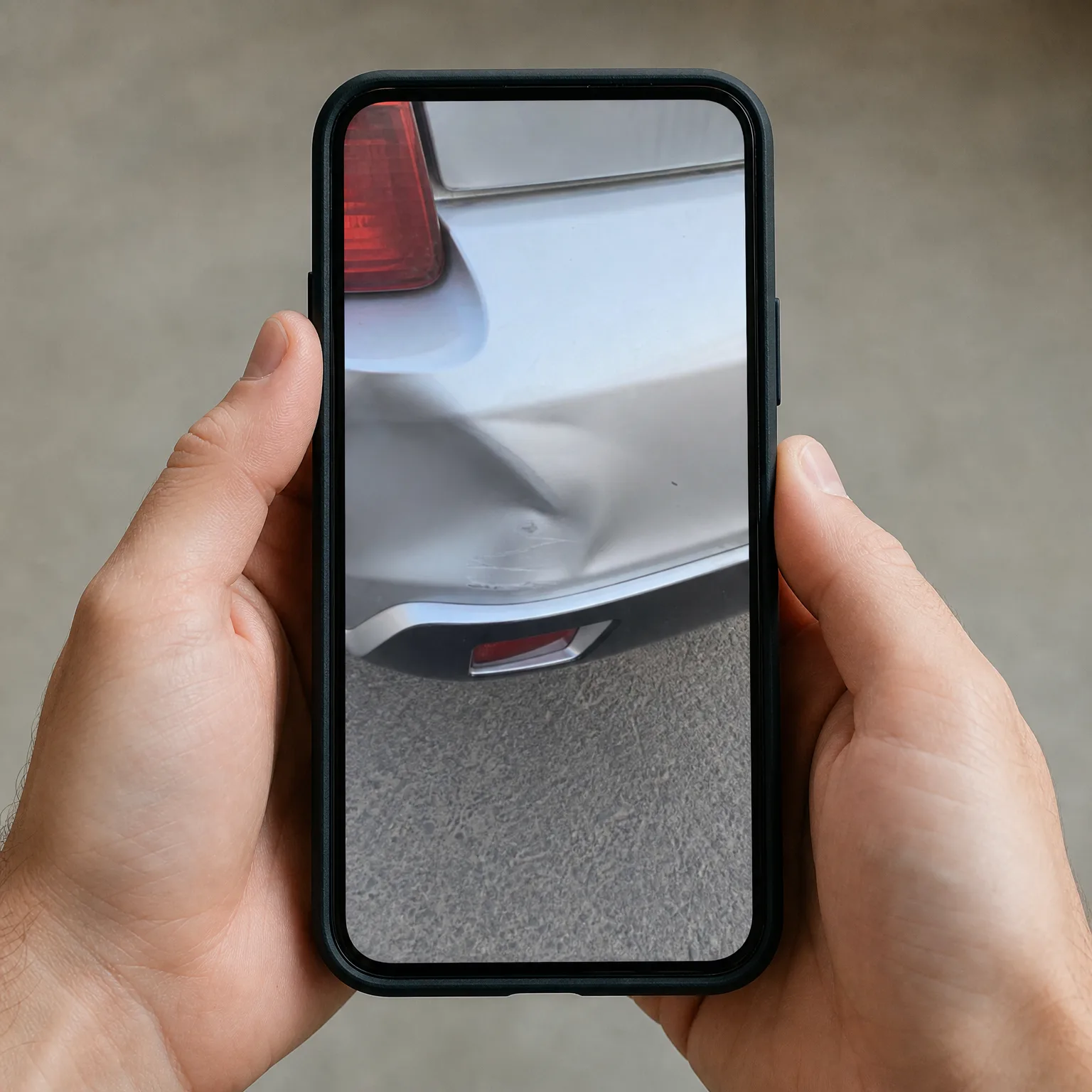
Say you're rear-ended at low speed in a parking lot. On a gas car this might mean a scratched bumper and a quick, cheap fix. On an EV, the impact can jar the battery pack or trigger a sensor fault, so the shop recommends a full inspection before anything gets repaired.
The inspection finds the battery itself is fine, but the sensor array needs replacing and recalibrating. That's a few days of labor by a certified technician, not a same-day fix, and the cost comes in well above what a comparable repair would have cost on your old car. Because you had chosen coverage that included this kind of repair, the bill was handled by your insurer rather than falling to you directly. The lesson for next time is to ask, before an accident happens, exactly which repairs your policy treats as standard and which ones might surprise you.
Now that you know what drives EV repair costs, compare quotes with the right coverage already in mind.

Choosing coverage that actually protects the battery
If you do
You confirm your policy covers battery damage and know which shops are certified to work on your EV. If something happens, you know what's covered, what it costs you, and roughly how long repairs take. No surprises when the claim comes in.
If you don't
You find out what's covered only after a crash, when you're already stressed and need the car fixed. You might discover your coverage doesn't include battery repair, or that the nearest certified shop is far away with a long wait.
Why EV repairs cost more than people expect
The core reason is the battery. It's the single most expensive part of an electric car, often worth a large share of the car's total value, and it's also the part most vulnerable to impact damage because of where it sits in the vehicle. When a battery is damaged, even partially, insurers often have to replace the whole pack rather than repair a section of it, because battery cells are hard to isolate and repair safely.
The second reason is scarcity of expertise. Gas car repair has decades of established shops, trained technicians and standardized parts. EV repair is newer, so certified technicians and shops are less common, parts take longer to source, and labor rates for specialized work tend to be higher. This is also why repair timelines for EVs are often longer, which matters if you need a rental car during that wait.
The third reason is how EVs are built. Even outside the battery, EVs tend to carry more sensors, cameras and computer modules supporting features like driver assistance. These components are expensive to replace and often need calibration after even minor collisions, adding cost to repairs that would be simple on an older gas car.
This isn't the same everywhere. Some states and insurers have more EV-certified shops than others, and some insurers have deeper experience pricing EV risk accurately. Check with your insurer about shop availability in your area and ask directly how they've handled EV battery claims, since this varies more than people expect.
The cost isn't in how often EVs get damaged, it's in how expensive the battery is to fix once they are.