Why Are People Cutting EV Chargers
Copper inside the charging cable makes it a scrap target, and most policies treat a stolen charger as a home claim, not an auto one.
What to know about charger theft and your coverage
- It's about the copper Charging cables contain heavy copper wiring that scrap buyers pay for. Thieves cut the cable rather than steal the whole unit because it's faster and easier to sell.
- Home policy, not auto A charger bolted to your house or garage is typically covered, if at all, by your homeowners or renters policy rather than your car insurance. Check your home policy's limits for attached structures and personal property.
- Deductibles can erase the payout If the charger's value is close to your home policy deductible, filing a claim may not make financial sense. Get a replacement cost estimate before you decide to file.
- Visibility matters Chargers mounted in open driveways or unlit areas are cut more often than ones in locked garages. Moving or shielding the unit reduces the chance it's targeted.
- Ask before you buy another one Some insurers will note a charger as scheduled property if you ask. Call your agent and find out whether adding it by name gets you broader protection than your base policy offers.

The short version
Chargers get cut for their copper cabling, and that loss usually falls under home insurance, not auto. Check your homeowners policy for coverage and deductible amounts, and ask your agent whether scheduling the charger as named property makes sense. Then move the unit somewhere less exposed if you can.
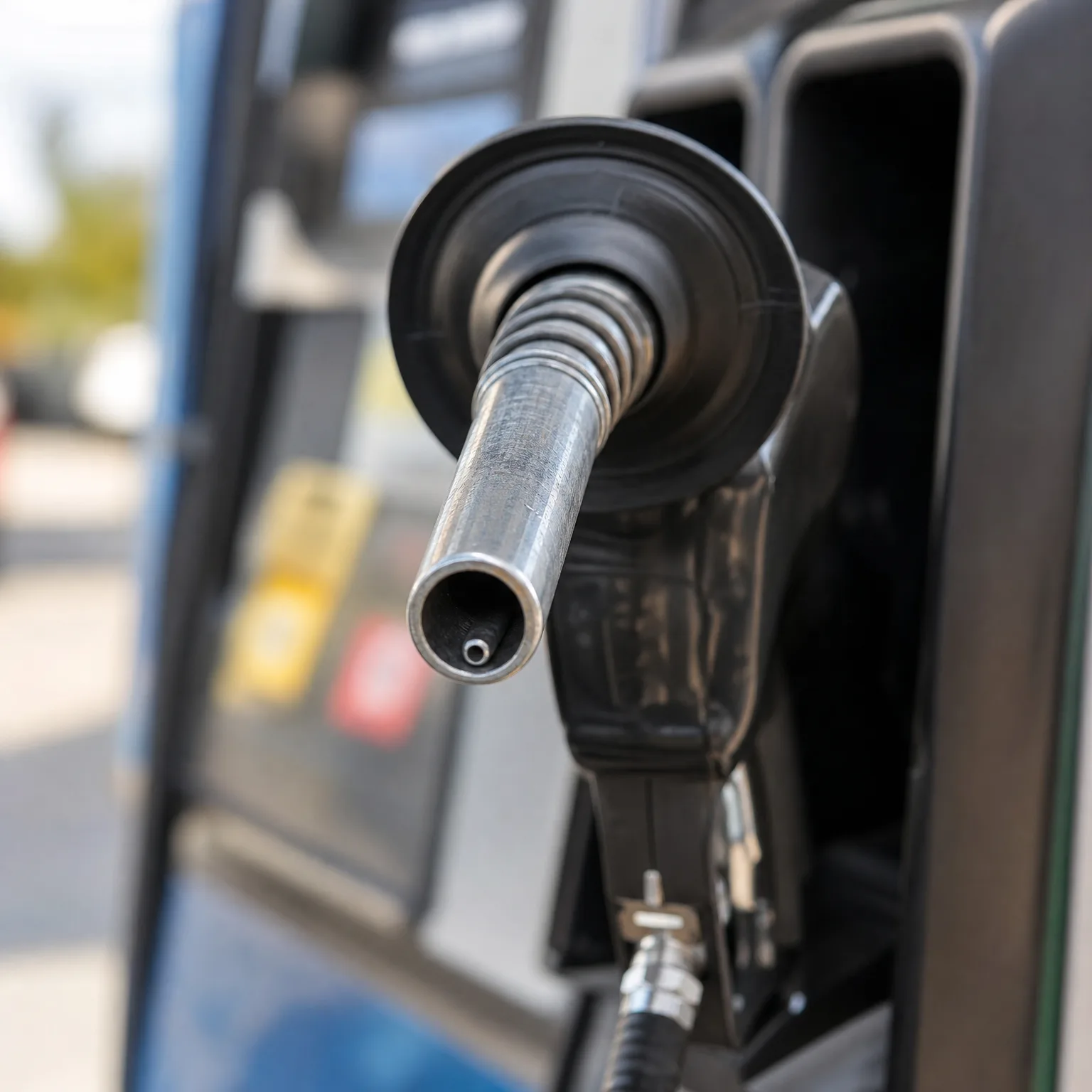
A driveway charger cut overnight
A driver living in a townhouse complex plugged their charger in every night in an open carport shared with neighbors. One morning the cable was gone, cut cleanly near the wall mount, with the rest of the unit left behind. They called their auto insurer first, assuming it was a car-related loss, and learned the claim didn't belong there at all.
Their homeowners policy covered it, but the deductible was close to the replacement cost of the cable alone. They decided not to file and instead paid out of pocket for a new cable, then asked their agent about scheduling the charger going forward. They also moved the mounting point closer to a lit entryway, which made the unit harder to access unnoticed. The next renewal added a small rider for the equipment, closing the gap they'd just found the hard way.
Once you know where your charger sits in your coverage, compare quotes that close the gap instead of guessing.
Why chargers are a target and insurers treat them as home property
Chargers are stolen for the same reason old wiring and plumbing get stripped from vacant buildings. The copper inside is valuable, easy to sell, and hard to trace once it's cut and coiled. A thief doesn't need to understand EVs or resell a whole unit. They just need wire cutters and a few minutes alone with an unlocked driveway or carport.
Insurance treats the charger based on what it's attached to, not what it's used for. Because a home charger is wired into your house or garage, it falls under the same logic as a mounted light fixture or a built-in appliance, which puts it under homeowners or renters coverage rather than auto. Auto policies are built around the vehicle and what happens to it on the road, not around equipment bolted to a structure.
This is also why deductibles matter so much here. A charger isn't very expensive compared to a car, so a claim can land below or barely above your home policy deductible. That changes the math on whether filing even makes sense, and it's worth getting a repair or replacement estimate before you commit to opening a claim.
The exceptions depend on how and where you charge. A workplace or public charger isn't your property, so theft or damage there is someone else's claim to handle. A portable charger you carry in the trunk is personal property that may already be covered differently than a wall-mounted unit. Check with your insurer directly, since the line between what's covered and what isn't depends on wording that varies by company and by state.

Does cutting my EV charger affect my car insurance rates?
No, a stolen or damaged charger by itself usually doesn't touch your auto insurance rates, because the claim doesn't go through your auto policy at all. It's a homeowners or renters claim, and those are rated separately from your driving record and vehicle history.
What could affect your auto policy is a separate, unrelated event, like if someone damages your car while cutting the charger cable. If the vehicle itself is scratched, scraped, or otherwise harmed during the theft, that portion could become a comprehensive claim on your auto policy. Ask your agent to walk through both policies together so you know which one responds to which part of the loss.