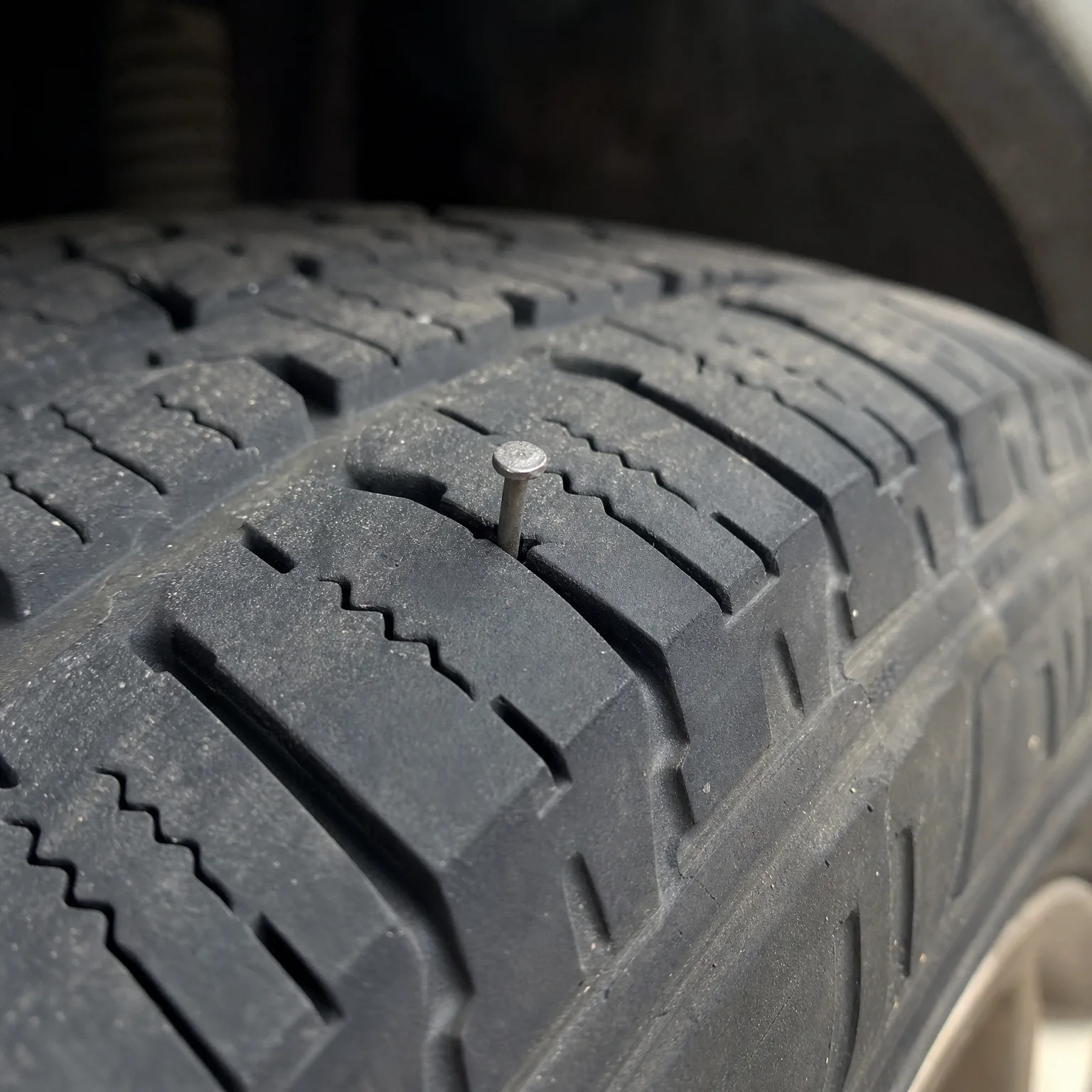
What Is an ADAS Calibration
ADAS calibration resets your car's cameras and sensors after a repair so safety features like lane keeping and auto braking work correctly.
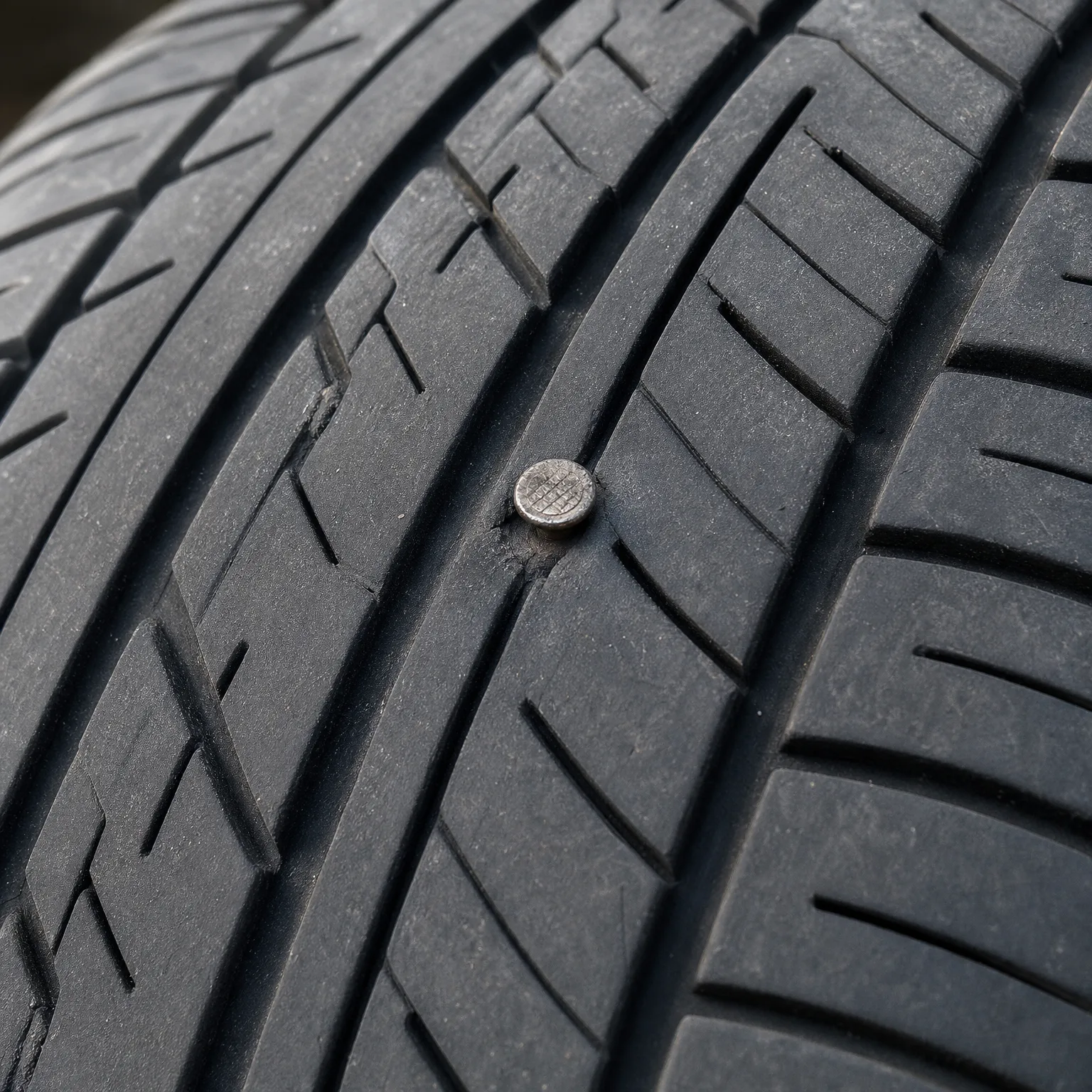
What to know before a repair touches your car
- It's not optional If your car has forward cameras, radar or parking sensors, they shift out of alignment during almost any body work. Ask the shop directly whether calibration is part of the repair plan, not just assumed.
- Two kinds exist Static calibration happens in the shop using targets and a level floor. Dynamic calibration happens by driving the car under specific conditions. Some repairs need both, so ask which one your car requires.
- It belongs on the estimate Calibration should appear as its own line on the repair estimate, not buried inside labor. If it's missing, ask why before you approve the work.
- Not every shop can do it Calibration needs specific equipment and space that many general body shops don't have. Some send the car elsewhere for this one step, which adds time but shouldn't be skipped.
- Skipping it is a safety issue A car that looks fixed can still have sensors aimed at the wrong angle. That means safety features may not trigger correctly, so treat calibration as part of the repair, not an add-on.
A fender bender that needed more than a new bumper
You get rear-ended at a stoplight. The damage looks minor, just a cracked rear bumper and a dented panel. The shop replaces the bumper and hands the car back the same day. A week later you notice the rear cross traffic alert isn't warning you in the driveway anymore, and the lane keeping assist feels like it's nudging the wheel at the wrong moments.
You call the shop and learn the bumper housed a radar sensor that needed calibration after replacement, and it was never done. You go back, they recalibrate it using the proper equipment, and the warnings return to normal within an hour. The lesson wasn't that the shop was careless on purpose. It's that calibration is easy to miss unless someone asks for it directly, so now you always confirm it's on the estimate before any repair starts.
Now that you know what calibration involves, compare quotes from insurers who cover it as part of a repair.
Does insurance actually pay for ADAS calibration?
Usually yes, when the calibration is required because of a covered repair. If a covered accident damages a part connected to a camera or sensor, the calibration needed to make that system work again is normally treated as part of fixing the car, not a separate expense you pay out of pocket.
Where this gets inconsistent is when the shop doesn't list calibration separately, or when the insurer's estimate doesn't include it because the adjuster didn't recognize it was needed. This is more about process than coverage. Ask your shop to confirm calibration is required, make sure it appears on the repair estimate, and if your insurer's estimate is missing it, point that out before you approve the repair. Review varies by insurer, so ask directly if you're unsure.
Why calibration is its own step and not just part of the fix
Cameras, radar and sensors on your car are aimed with precision, often down to a fraction of a degree. That aim is what lets automatic braking, lane keeping and adaptive cruise control judge distance and position correctly. When a bumper, windshield or fender near one of these components is replaced or even just removed and reinstalled, the aim can shift even if the part itself looks identical to the original.
Calibration resets that aim. It's a distinct technical step, separate from bodywork, because it requires either a controlled environment with alignment targets or a specific driving routine, depending on the system. A shop can do excellent bodywork and still skip this step if they don't have the equipment or don't realize the part they touched was tied to a sensor.
This is why calibration sometimes gets missed on estimates. It doesn't always look like damage in the traditional sense, so an adjuster writing an estimate from photos might not flag it, and a general repair shop might not catch it either. The responsibility to ask about it often falls on you, the owner, simply because you're the one who knows the full repair is being done and can prompt the question.
There are cases where calibration genuinely isn't needed, such as minor cosmetic work that doesn't involve removing or replacing a sensor-adjacent part. The difference usually comes down to whether a part physically moved. When in doubt, ask the shop to check rather than assume it's unnecessary.
How long does ADAS calibration usually take?
It depends on the method and the car. Static calibration in a shop can take a couple of hours once the car is set up with targets. Dynamic calibration requires driving under specific conditions, like steady speed on a clearly marked road, which can take longer if weather or traffic isn't cooperating. Ask your shop for a time estimate specific to your repair.
Can I drive my car safely before calibration is done?
You can usually drive the car, but the safety features tied to the uncalibrated sensor may not work correctly or may not work at all. Don't rely on automatic braking, lane keeping or adaptive cruise control until calibration is confirmed complete. If you're unsure which features are affected, ask the shop directly before you leave with the car.
Will my insurance rate go up because of an ADAS calibration claim?
Calibration itself doesn't raise your rate differently than any other part of a repair claim. What affects your rate is the claim as a whole, including fault and claim history, which varies by insurer and state. Ask your insurer how this specific claim is being classified if you want a clear answer.