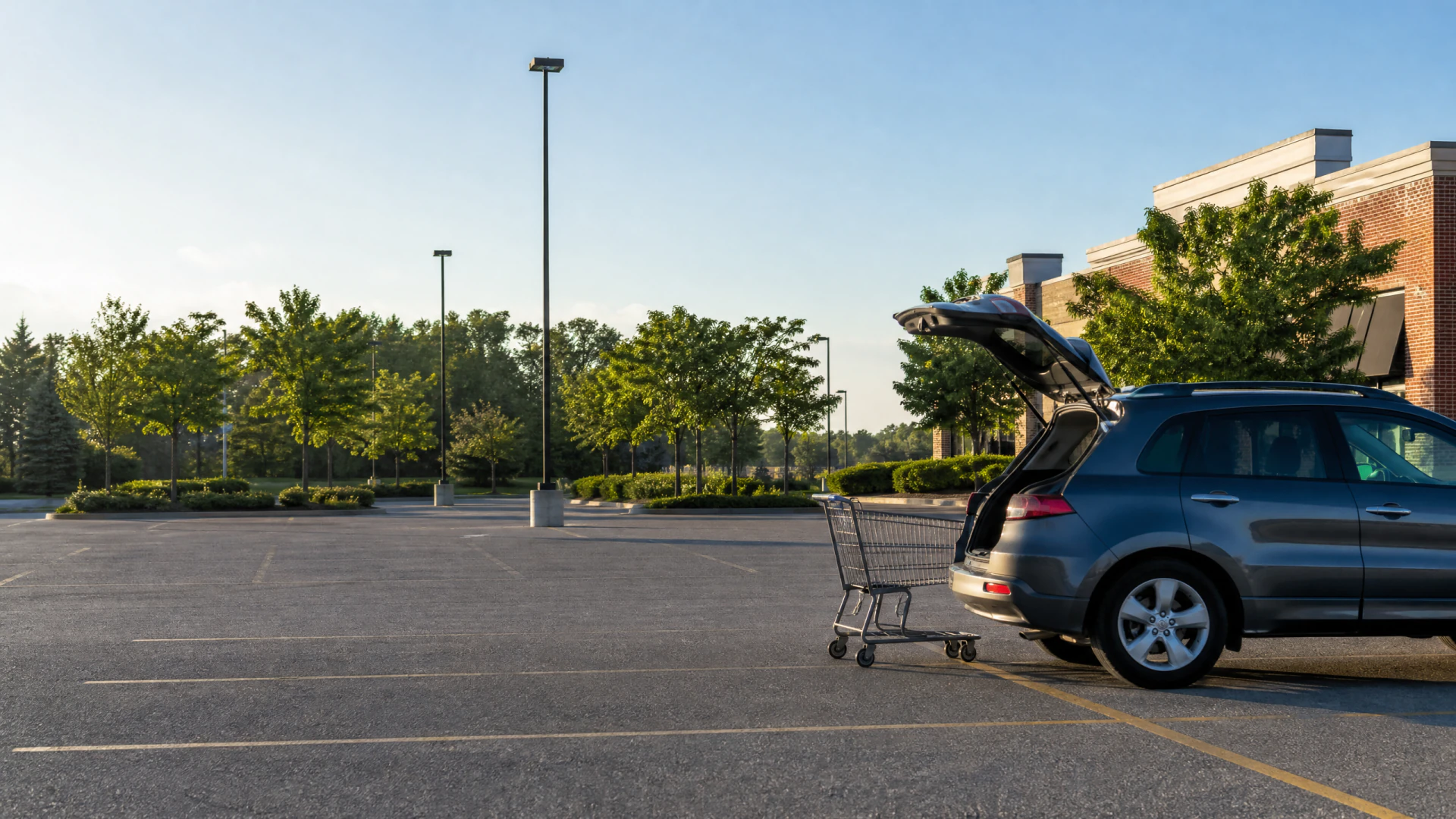
How Quickly Does a Car Fire Spread
A car fire can take over the whole vehicle in minutes, and an EV battery fire can reignite hours or even days later.
Why some car fires move fast and others come back
A gas car fire usually starts with fuel, wiring or a hot exhaust igniting something nearby. Once it catches, it spreads through the plastic interior and trim quickly because those materials burn fast and feed each other. Within a few minutes a small fire under the hood or dashboard can become one that engulfs the whole car.
An EV fire works differently because the battery itself is the fuel. When a lithium-ion battery is damaged or overheats, individual cells inside it can go into a chain reaction, each one heating the next. This means the fire can smolder, flare, die down and flare again as more cells fail in sequence, sometimes over many hours.
This is why firefighters treat EV fires differently than gas fires. A gas fire is dangerous because it spreads fast. A battery fire is dangerous because it can look out and then reignite later, even after towing, which is why damaged EVs are often stored away from other vehicles and property until the battery is confirmed stable.
How fast either type of fire actually spreads depends on the specific car, the crash, and the materials involved, so timelines vary. What stays the same is the basic shape of the risk, fast and total for a gas fire, slower and longer for a battery fire, and both are reasons insurers treat a burned car as a serious claim rather than routine damage.
A fender-bender that became a total loss days later
A driver backed into a parked EV, denting the rear quarter panel near the battery pack. No fire, no smoke, nothing that looked urgent. The owner filed a claim expecting a simple repair, got an estimate, and left the car at a shop.
Two days later the battery began overheating from unseen internal damage and the car caught fire on the shop's lot. Because the owner had filed promptly and had coverage that included the battery, the claim covered the full loss instead of just the dent. The insurer's inspection also caught that the car needed to be kept away from other vehicles once the damage was known, which protected the shop from a bigger loss too.
The damage you can't see in a battery is often the part that decides whether the car burns later.
Once you know how battery and gas fires differ, compare quotes that actually cover that risk.

Do you report any crash near the battery, even a minor one
If you do
You report it, the insurer inspects the battery, and any hidden cell damage gets caught early. If a fire starts later, your claim is already on record and covered. The car can also be stored safely away from other property while it's monitored.
If you don't
Unreported damage can sit quietly for days before a fire starts. If that happens, you may face delays proving it's related to the crash, and your insurer may question a claim filed only after the fire. You could also be liable if it damages someone else's property while unreported.

What decides how a car fire plays out
- What caught fire Fuel and wiring fires burn fast but usually finish once the fuel is gone. Battery fires can restart hours later, so tell your insurer which type you're dealing with.
- How the damage happened A crash, a charging fault and a manufacturing defect all point to different causes and sometimes different coverage. Describe exactly what happened when you file.
- Where the car is stored A damaged EV should be kept apart from other vehicles until the battery is confirmed stable. Ask your insurer or tow company about safe storage before the car goes anywhere.
- How soon you report it Reporting right away protects you if a fire starts later from damage that wasn't obvious. Waiting can make it harder to connect the fire to the original incident.
- What your policy actually covers Battery replacement and fire damage aren't always covered the same way across policies. Check this before you need it, not after.