Can I Do ADAS Calibration Myself
No. ADAS calibration requires precise equipment and target setups that aren't practical to do yourself, even if you're mechanically skilled.
Why this isn't a driveway job like changing brakes
ADAS calibration lines up your car's cameras, radar and sensors so they see the road the way the manufacturer intended. That alignment has to be exact. A camera off by a tiny amount can make lane-keeping assist or automatic braking react late, or not at all, and you'd have no way to know until the system failed when you needed it.
Static calibration uses specific target boards placed at measured distances and angles in a controlled space, often a level floor with controlled lighting. Dynamic calibration requires driving the car at specific speeds on roads with clear lane markings while a scan tool confirms the system is learning correctly. Both need equipment and software tied to your car's make and model, which shops buy and subscribe to, not something you'd pick up for one job.
There's also the question of knowing it worked. A professional calibration ends with a printout or digital record confirming every sensor passed. Without that, you're guessing, and if the car is ever in an accident afterward, there's no proof the safety systems were working correctly beforehand.
The exception is simple maintenance that doesn't touch calibration at all, like replacing wiper blades or a battery. But any work involving the windshield, bumper, suspension height or wheel alignment can shift sensor position enough to require recalibration, even if the sensor itself wasn't touched.
How do I know if my car even needs calibration after a repair?
If the repair involved the windshield, front or rear bumper, side mirrors, suspension, wheel alignment or anything near a camera or sensor, assume calibration is needed. Manufacturers specify exactly which repairs trigger it, and a shop with the right lookup tools can tell you in minutes.
When in doubt, ask the shop directly whether this repair requires recalibration for your specific make and model, and ask them to show you the confirmation once it's done. If a shop tells you it's not needed after windshield or bumper work, get a second opinion, since skipping it is a common shortcut that can leave safety systems silently misaligned.

Attempting it yourself versus having a shop calibrate it
If you do
You'd need manufacturer-specific target boards, exact measurements, a professional scan tool and a controlled space, plus software to interpret results. Without all of it, you can't confirm calibration worked. You might finish thinking it's fine while a sensor stays misaligned, with no warning until the system fails to react when you need it.
If you don't
A shop with the right equipment calibrates the sensors, runs a verification scan and gives you documented proof it passed. It typically happens alongside the repair that triggered it, so there's no separate trip. You leave knowing the safety systems work as intended, with a record if you ever need it.
Compare quotes now that you know calibration belongs with a professional, not a DIY job.
What to do instead of calibrating it yourself
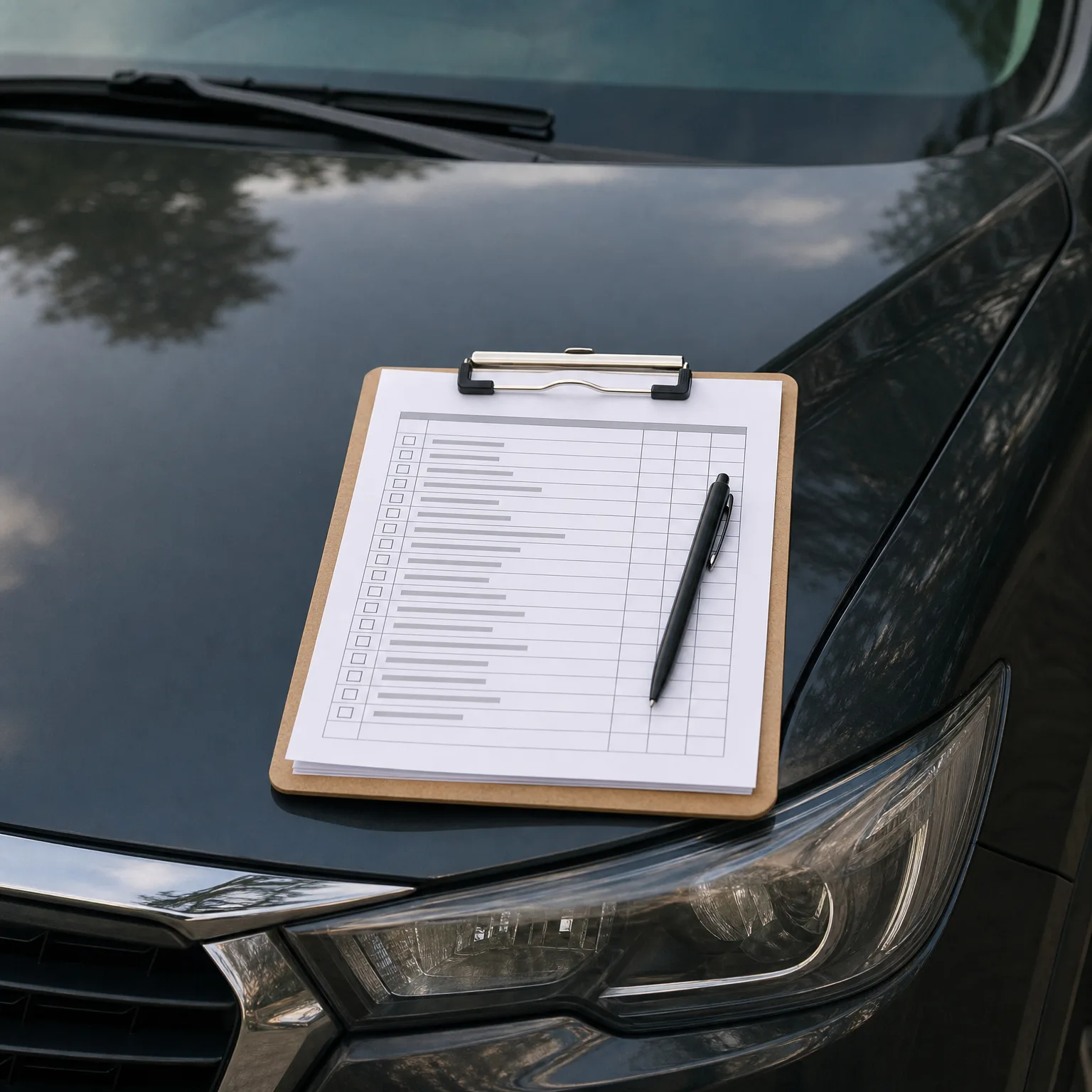
- Ask who did the repair The shop that touched the windshield, bumper or suspension should calibrate it immediately after, since they already have the car and know what was disturbed.
- Request the calibration printout A completed calibration produces a pass confirmation. Keep it with your records in case you need to show the work was done correctly later.
- Confirm equipment on hand Not every body shop has the equipment for every brand. Ask directly if they calibrate in-house or send it out, so you know who's actually doing the work.
- Check your policy covers it Calibration can be billed separately from the repair itself. Confirm with your insurer that it's included so you're not paying out of pocket after a claim.
- Don't skip it to save time Driving with an uncalibrated system means safety features may not work correctly. The short delay for proper calibration is worth it.
How much does ADAS calibration cost if insurance doesn't cover it?
It depends on your vehicle's make, model and which sensors need calibrating, since some cars have far more systems than others. Static calibration with target boards tends to cost more than dynamic calibration done on the road, because of the specialized space and equipment involved. Check with the shop doing your repair for a specific estimate, and check your policy to see whether calibration is bundled into collision or comprehensive coverage rather than billed as a separate line item.
Does my insurance cover ADAS calibration after a windshield replacement?
Often yes, but it depends on your specific policy and whether the windshield replacement is covered under comprehensive coverage. When a windshield with a camera mounted on it gets replaced, calibration is usually considered part of completing that repair correctly. Ask your insurer directly whether calibration is included automatically or needs to be requested separately, since some insurers bundle it and others require the shop to bill it as an added service.
Will my car tell me if the ADAS calibration failed or is off?
Sometimes, but not always, which is why self-calibration is risky. A dashboard warning light may appear if a sensor is completely misaligned or disconnected, but subtle miscalibration can pass without triggering any warning at all. The only reliable way to know is a completed scan tool verification from a shop, which confirms each system is within the manufacturer's required range rather than just appearing to function normally.