Are EV Fires Hard to Put Out
Yes, an EV fire takes longer to put out and more water to do it, and that affects how your car is handled after any accident.
Why battery fires behave so differently from gas fires
A gas car fire burns fuel that's exposed to air, so firefighters can smother it or let it burn out fairly fast. A damaged battery pack holds its energy sealed inside hundreds of small cells, and when one cell overheats it can set off the one next to it. That chain reaction is what makes these fires slow and why they sometimes reignite hours or even days later.
This is also why a crashed EV often gets handled differently than a crashed gas car. Tow operators and repair shops may keep a damaged EV isolated outdoors for a while instead of pulling it straight into a garage, because they're watching for delayed reignition. That waiting time isn't wasted, but it does add to how long your car is out of your hands.
None of this means EVs catch fire more often than gas cars, and most EV owners never deal with any of this. It matters mainly after a serious crash or significant battery damage, not from normal driving or charging.
What varies is how your state and insurer treat that storage and handling time. Some policies cover extended storage or towing to a specialized facility without extra hassle, others don't spell it out. Ask your insurer directly how they handle a damaged EV after an accident, since this is the part that differs most.
What this means for your coverage and your next steps
- Storage after a crash A damaged battery may need to sit isolated for a while before towing or repair. Ask your insurer if extended storage is covered or if it comes out of your pocket.
- Specialized tow and repair Not every shop or tow truck is set up for damaged EV batteries. Confirm your insurer has a list of qualified shops near you before you need one.
- Total loss risk Battery damage from a fire or even a minor fire-related incident can total the car faster than it would a gas vehicle. Know your settlement value and how it's calculated.
- Reignition isn't your fault If a battery reignites after the first incident, that's a known risk, not negligence. Make sure your claim covers any resulting damage, not just the original event.
- Ask about rental coverage Specialized repairs and storage waits can stretch out longer than a typical claim. Check that your rental or loaner coverage lasts long enough to match.
Now that you know what a battery fire actually involves, compare quotes to see which insurer handles it best.
A rear-end collision that damaged the battery pack
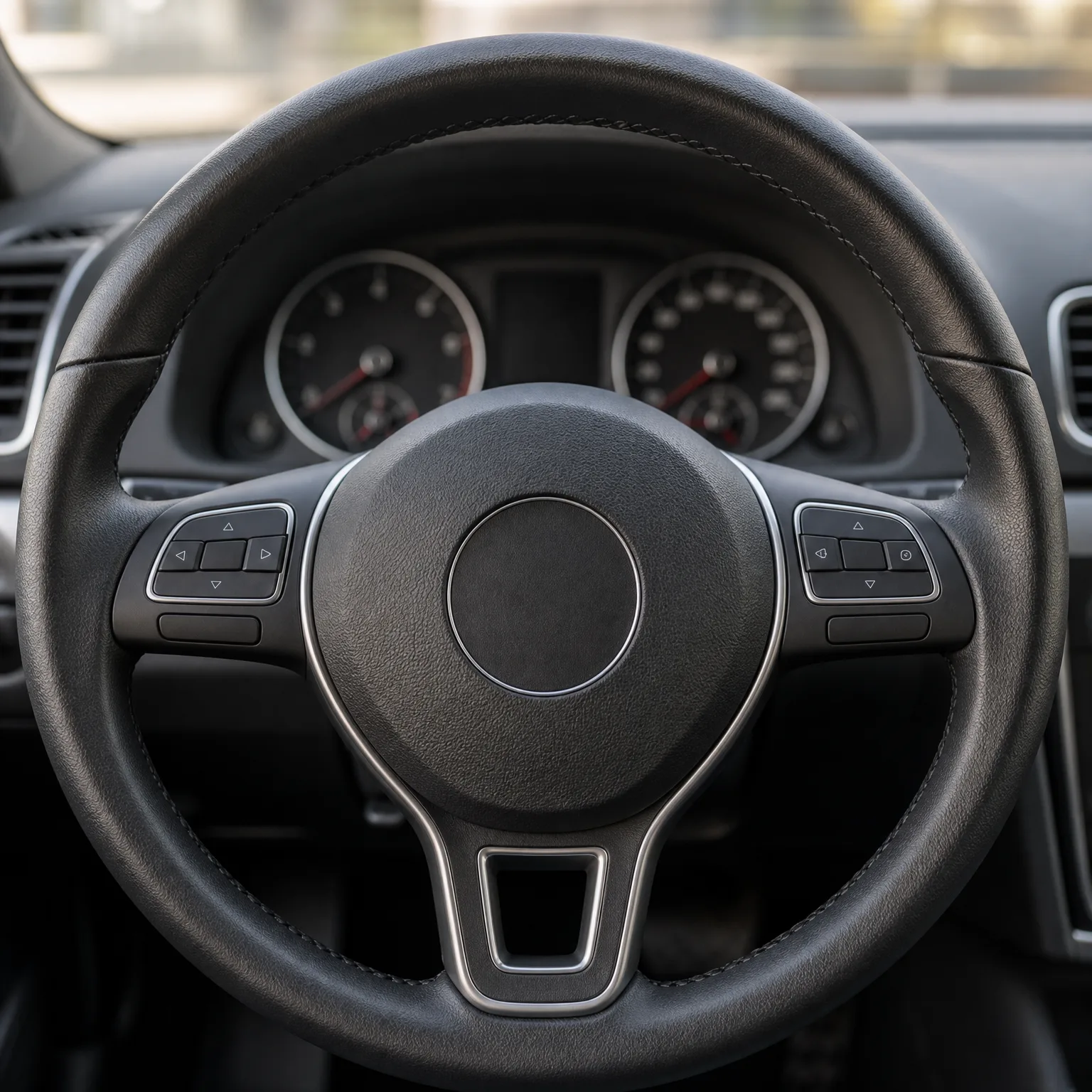
A driver was hit from behind at moderate speed. The car didn't catch fire immediately, but the impact cracked part of the battery housing. The tow company flagged it as a damaged EV and told the driver it would sit in an isolated outdoor lot for a few days before being moved, as a precaution against delayed battery reaction.
The driver called their insurer right away to ask whether that storage time was covered and whether a specialized shop was on their approved list. It was, and the adjuster explained the car would be assessed for total loss given the battery damage, since replacing a pack often costs more than repairing the rest of the car. The claim took longer than a typical repair claim would have, but the driver wasn't charged for the extra storage days and had a rental the whole time. The car was ultimately declared a total loss, and the payout reflected the battery damage, not just the visible dent.
The real question isn't whether EV fires are hard to put out, it's whether your insurer has a plan for one.
Does a damaged EV battery always mean the car is totaled?
Not always, but it happens more often than with a damaged gas engine, because battery packs are expensive to replace and hard to partially repair. Insurers weigh the cost of a new or reconditioned pack against the car's value, and that math tips toward total loss faster than people expect.
Whether your car gets totaled depends on how the pack was built, how the damage is assessed, and your insurer's own threshold for declaring a loss. Some policies let you request a second opinion or an independent battery assessment, which can change the outcome. Ask your insurer how they assess battery damage before you ever need the answer, so you know what to expect if it happens.